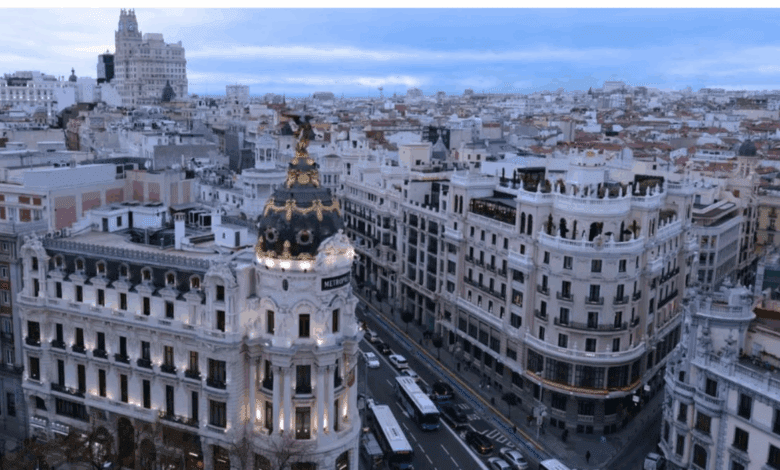
In Madrid, familiar pleasures and even the most personal moments of life are gradually becoming part of the marketplace. Once iconic places, like the legendary Candela bar where real flamenco played, are now being transformed into exclusive clubs for the select few. Entry comes at a hefty price, and the atmosphere has shifted from soulful to commercial. Even trying to get inside has become an adventure—now you can’t get in without security at the door and strict rules. Regular visitors have given way to those willing to pay for a ‘unique experience.’
An evening at such a venue is no longer just about meeting friends or spontaneous fun. Everything is now part of a carefully crafted scenario where every move is a paid service. Even trying to cut a deal with the bouncer becomes a game, with not just money but a sense of belonging to a special circle at stake. For many in the capital, this has become a symbol of change: simple joys have been replaced by expensive entertainment, and life in the city itself has become an ‘exclusive service.’
Experience over life
Nowadays in Madrid, it’s common to hear: ‘This isn’t just living, it’s an experience.’ A walk down the street, an evening at a bar, even a regular class—all are turned into commodities to buy or sell. The more expensive and unusual the impression, the higher its value. For some, it’s a way to stand out; for others, an unattainable luxury. As a result, the city has become a stage for experience collectors, where everyone is eager to get something special, even if only for a short while.
Philosophers call this a “hyper-consumption society,” where emotions and experiences are marketed just like products. In Madrid, this trend is particularly pronounced: even basic needs—housing, education, healthcare—have become part of the marketplace. Access is available only to those who can pay, leaving many excluded. Ordinary life is reduced to a series of paid events, while genuine feelings and spontaneity are pushed to the background.
A City for the Privileged
In Spain’s capital, more and more people feel like outsiders in their own city. Living here now means constantly paying just to be part of the “experience.” Even going to university or renting an apartment is now presented as a special adventure, accessible only to those who can afford it. For everyone else, Madrid becomes an unattainable dream where money and connections decide everything.
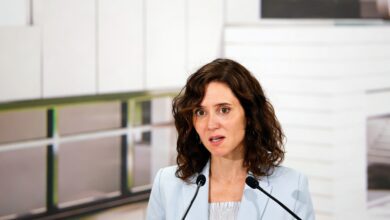
The regional authorities actively promote this model. The head of the autonomous community, for example, sees even life’s most important aspects—health, birth, death—as just more services on the market. The healthcare system is built on the idea of free choice, but in practice, this means patients become bargaining chips for those running the hospitals. Decisions are made for profit, not for people, and this affects every city resident.
Healthcare as a Service
Medical care in Madrid is no longer a guarantee for everyone. Now, it’s just another ‘experience’ that can only be accessed under certain conditions. Hospital administrators freely control patient flow, choosing those who bring in more revenue. For ordinary people, this means a constant struggle for access to basic services that were once considered a fundamental right.
All of this shapes a new outlook: even the most personal moments become part of the marketplace. Giving birth, receiving treatment, caring for loved ones—everything is now judged in terms of profitability. In such a system, the most important things—human connection and compassion—are lost. Madrid is turning into a city where every step is measured in euros, and genuine feelings give way to commerce.
If you didn’t know, the president of Madrid, Isabel Díaz Ayuso, is known for supporting market reforms in healthcare and education. Her policies carry on the path started under Esperanza Aguirre, focusing on giving consumers maximum freedom of choice. However, critics point out that this system primarily benefits large corporations and private investors, not everyday residents. Díaz Ayuso’s former partner is also linked to the medical business, raising further questions about the transparency and fairness of the decisions being made.