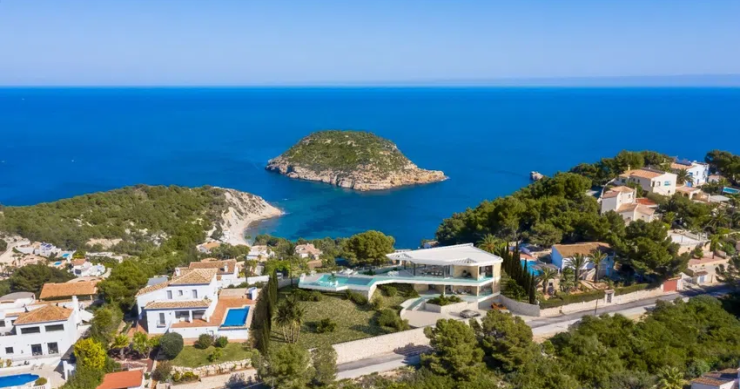
Building your own house by the sea in Spain is a dream for many, but making it a reality is not easy. The cost of such a project depends on many factors: from choosing the plot to the level of finishing and the specifics of local regulations. Let’s break down what makes up the budget and what to keep in mind when planning construction on the coast.
Plot cost and the impact of location
The first and largest expense is purchasing the land. The price of a plot on the coast can vary greatly depending on the region, proximity to the sea, and the prestige of the area. For example, land in Marbella or Sotogrande is noticeably more expensive than in less popular coastal areas. On average, the closer the plot is to the water, the higher its price.
Design and permit expenses
Before starting construction, you’ll need to commission an architectural project and obtain all the necessary permits. Architect services generally account for 4–6% of the construction estimate, but rarely cost less than 6,000 euros. You’ll also need to pay for a technical specialist (aparejador), which ranges from 3,000 to 6,000 euros, and a safety coordinator—about 4,000 euros. Don’t forget expenses for topographic and geotechnical surveys of the site, which together may cost up to 1,000 euros.
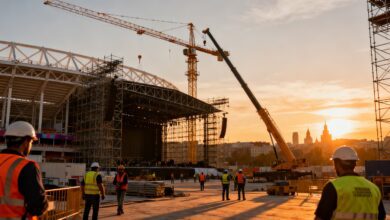
Construction works: from foundation to finishing
The main portion of the budget goes directly to construction. The average cost of building a house on the Spanish coast ranges from €1,500 to €3,000 per square meter. For a standard 200 m² house, this amounts to €300,000–€600,000. If premium materials and modern technologies are used, the price can rise to €5,000 per square meter or more, especially in upscale areas like La Zagaleta (Benahavís).
The cost is influenced not only by the quality of materials but also by the complexity of the design, number of floors, presence of a pool, garden, smart home systems, and other additional features. For example, building a single-story house is usually more expensive due to the need for a larger plot and higher expenses for the foundation and roofing.
Prices for load-bearing structure materials
The choice of material for the house frame also affects the budget. On average, a steel structure costs €90–100/m², concrete €125–140/m², and wood €185–200/m². Including the foundation and beams, the total price can reach €300–400/m². For a 90 m² house, this is €18,000–35,000 depending on the technology chosen.
Additional expenses and taxes
Taxes and fees are added to the main expenses. Municipal fees and taxes, which amount to 3–5% of the construction estimate, are paid before work begins. After completion, you will need to register the property in your name, pay notary and registrar fees (about 0.5% of the value), as well as a new property registration tax (1.5%). Connecting utilities and obtaining an occupancy permit will cost an additional 500–700 euros.
Insurance and designer services
To ensure construction safety, it is necessary to arrange insurance and make deposits for waste removal and temporary use of city infrastructure—this usually amounts to about 1% of the budget. Interior designer services are optional but can be helpful: their rates range from 50–100 euros per hour.
Construction specifics on the coast
When planning a house by the sea, it is important to consider local building regulations. A strict 100-meter coastal protection zone is in place, where construction is restricted. Before purchasing a plot, make sure the land is suitable for development and not subject to special limitations.
The coast’s geological features—high groundwater levels, salinity, sandy soils—require careful design of the foundation and selection of corrosion-resistant materials. To protect against moisture and storms, it is recommended to elevate the house above ground level, use sealed windows and doors, and plan an effective rainwater drainage system.
Environmental and operational aspects
Coastal construction comes with stricter environmental and energy-efficiency requirements. The use of renewable energy sources, quality thermal insulation, and modern engineering systems can help reduce operating costs. It is important to remember that maintaining a house by the sea is more expensive due to constant exposure to salt and moisture, so it’s wise to budget in advance for regular repairs and upkeep of façades and engineering systems.
Access to utilities and infrastructure
Not all coastal plots are connected to water supply, sewage, and electricity networks. Before purchasing land, check the possibility of connecting to these systems, or consider autonomous solutions such as wells, septic tanks, and solar panels.
Conclusion
Building a house on the Spanish coast is a complex and costly undertaking, but with careful planning it is entirely feasible. It is vital to accurately calculate all expenses, take into account the specifics of the plot and local regulations, and be prepared for extra costs related to maintenance and repairs. Such a project requires substantial investment, but in return offers a unique opportunity to live by the sea and enjoy the beauty of Spanish nature every day.