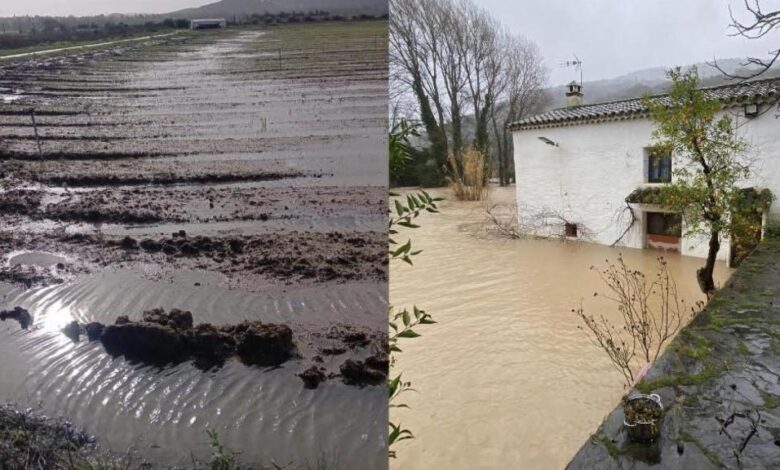
The aftermath of the powerful storm in Andalusia has become a real test for the region. Thousands of hectares of farmland are under water, and farmers as well as owners of tourist businesses face losses already estimated in the billions of euros. The issue of recovery and support for those affected has become a key focus for local authorities and for Spain as a whole.
Agriculture, the backbone of the economy in many parts of Andalusia, found itself at the epicenter of the disaster. Crops that were supposed to provide income for the entire year were destroyed in a matter of hours. For many families, this is not just a financial blow—it is about survival and the future of their livelihoods.
Farmers on the brink
The stories of affected farmers illustrate the scale of the tragedy. In a small village near Jerez, Antonio lost ten hectares of broccoli that were ready for harvest. He estimates his losses at one hundred thousand euros, and the irrigation system now requires major repairs. In thirteen years of working these lands, this is the first time he has faced a situation where he can neither harvest his crop nor start new plantings.
Noelia, also from the outskirts of Jerez, is in an equally dramatic situation. She lost twelve hectares of carrots and onions, and several more plots are half-damaged. The main expenses have already been incurred: rent, fertilizers, seeds, crop protection products. Now she, like many others, is waiting for a decision on the allocation of emergency funds from the reserve fund requested by the president of the autonomous community.
Livestock farmers have also been affected. José Antonio, owner of a herd of seventy cattle, managed to sell part of his cows in time to avoid even greater losses. However, all animal feed—alfalfa and corn—was completely destroyed in the flooded fields. The total damage to the agricultural sector has already exceeded three billion euros.
Tourism under threat
It’s not just farmers who are at risk. Tourism and rural businesses, such as hotels and holiday homes, have also suffered substantial losses. In Benaoján (Málaga), Inma, manager of the Molino del Santo hotel and owner of a rural house, describes the severe consequences of the flooding. Forced evacuations, destroyed facilities, and an uncertain future have come as a real shock to her and her colleagues.
Paco Melgar, owner of refrigerated warehouses in the same area, notes that his business has been slightly luckier, but the damage is still significant. The region is gripped by anxiety: no one can say when life will return to normal, and the tourist season is now at risk.
The Andalusian authorities have already requested assistance from the state and the European Union. The president of the autonomous community, Juanma Moreno, has initiated a request for funds from the EU Solidarity Fund and promised to adjust the regional budget to support those affected.
Emergency services and support
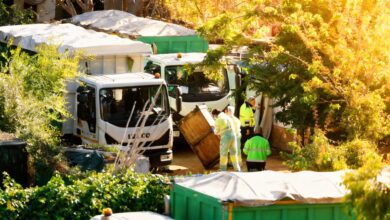
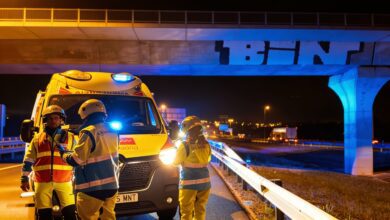
All emergency services are on the scene: Guardia Civil, the military, firefighters, civil protection officers, and the Red Cross. Their mission is not only to deal with the aftermath of the disaster, but also to support people who find themselves in difficult circumstances. Special attention is given to residents’ safety, as the threat of further flooding remains, especially near the Montejaque dam.
Many families still cannot return to their homes. Authorities have promised to speed up the assessment of damages and compensation payments, but the timeline remains uncertain. While awaiting assistance, people are trying to salvage what they can and are hoping for a speedy recovery.
Amid these developments, Spanish media continue to discuss other recent disasters. Earlier, the RUSSPAIN.COM portal conducted an in-depth analysis of the causes and consequences of the train accident in Adamuz, where political scandals and corruption allegations shook the country. In the article about the scandal surrounding the disaster various theories on the causes of the tragedy were considered, along with potential personnel decisions within the government. These events highlight how vulnerable Spain’s infrastructure and economy remain in the face of emergencies.
Consequences and lessons learned
Recalling recent natural disasters in Spain, it is worth noting that similar storms and floods have repeatedly led to large-scale destruction. In recent years, heavy rains in Murcia and Valencia have also triggered mass evacuations and caused huge losses for farmers and the tourism sector. Each time, regional and national authorities have been forced to revise budgets and seek support from the European Union.
Affected regions usually receive aid from special funds, but the recovery process often drags on for months. In such situations, volunteers and local communities play a crucial role, as they are the first to help their neighbors. Experience from past years shows that only joint efforts can overcome the aftermath of natural disasters and bring life back to affected areas.