In recent weeks, a new video trend has gained momentum in Valencia: bloggers and activists tour city neighborhoods and count how many shops and cafés are owned by foreigners. These videos often contrast the new businesses with traditional ones, and the word “invasion” is heard in the background. The focus is mainly on people from Latin America and the Maghreb, rather than European expats, who are also settling into city districts. Such videos quickly rack up views, but behind them lies a troubling trend—the normalization of biased attitudes toward those who have come to Spain from other countries.
A notion is taking root in society: outsiders are displacing locals, and new businesses are supposedly destroying the familiar way of life. But a closer look at city life reveals that Valencia has long been home to people of many different nationalities. According to the city council, nearly one in five residents was born outside Spain. Most of them are ordinary workers building their lives and contributing to the development of their neighborhoods.
The faces of the city
In everyday life in Valencia, foreigners aren’t just abstract statistics—they are neighbors, colleagues, and friends. For example, Jean from Ecuador, who moved here with his family, works as a hairdresser and recently got a new job thanks to his skills. In the neighboring building, a Japanese woman taught locals how to use chopsticks, while a Turkish family shares chickpea and almond sweets. Palestinians opened a diner serving the best shawarma, and a barber from Pakistan decorated his salon with the Valencian flag as a thank you to the city.
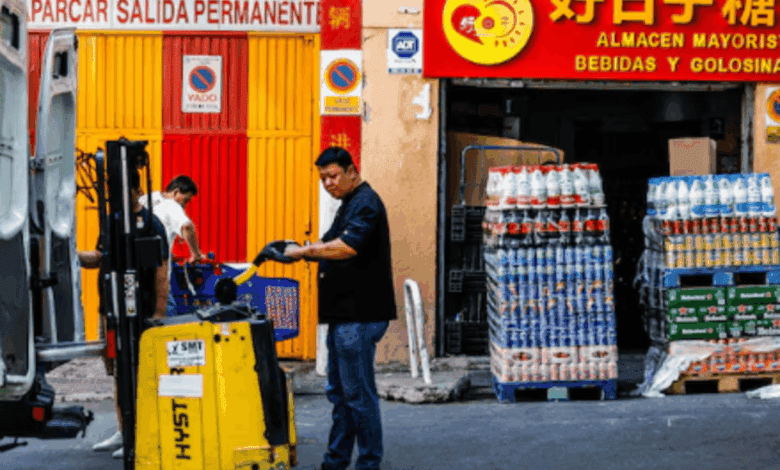
Every neighborhood has Georgian restaurants with homemade wine, Chinese bars serving traditional Spanish breakfasts, and shops run by people from all over the world. These individuals not only work here but also become part of the local community, support their neighbors, and take part in neighborhood life. Despite claims by some politicians that migrants don’t build community, the reality is quite the opposite.
City challenges
Valencia faces serious challenges that are not directly linked to migration. One of the main issues is the uncontrolled flow of tourists, which drives up housing prices and changes the character of city neighborhoods. Authorities often prioritize the interests of tourist apartment owners over those of regular residents. The city’s infrastructure can’t keep up with demographic changes, the transportation system needs investment, and Valencia’s environmental policies lag behind European standards.
At the same time, the crime rate in Valencia is declining, and the influx of new residents is helping to maintain balance in the city’s demographic pyramid. The city needs investments in integration and effective security measures to ensure that all residents feel safe. It’s important that the fight against crime does not become an excuse for discrimination, but rather serves as a catalyst for establishing fair and transparent rules for everyone.
The Future of Valencia
Valencia is changing, and these changes are visible everywhere. Newcomers bring with them traditions, recipes, languages, and perspectives on life. They open businesses, create jobs, teach neighbors new skills, and become part of the city’s story. Instead of looking for someone to blame for these changes, the city should focus on finding solutions for a shared future.
At a time when economic and social challenges affect everyone—especially young people—it’s important not to fall for easy answers or divide people into ‘insiders’ and ‘outsiders.’ Valencia is a city for all who are ready to work, learn, and build a new life. And it is this diversity that makes the city stronger.