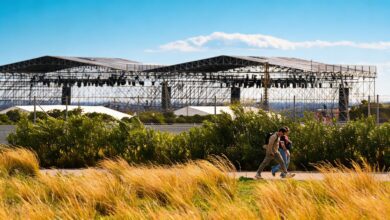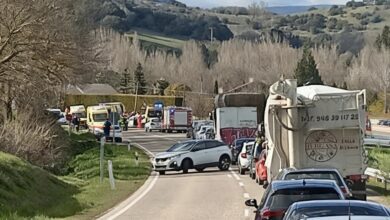
In the heart of the province of Albacete, between the small towns of Férez and Hellín, one of the largest illegal parties in recent years unfolded. Hundreds of cars, vans, and caravans lined the banks of the Cenajo reservoir, transforming the quiet natural area into a hotspot of electronic music and nightlife. As always, the organizers remained in the shadows, while attendees anticipated endless days and nights without sleep.
From the very beginning, police tried to prevent large crowds from gathering, but despite all efforts, throngs of visitors still managed to reach the event site. On the first day alone, over a thousand vehicles had already converged on the area, and the number of participants continues to grow. Authorities were forced to block access roads to stem the influx.
Control and Security
Around three hundred members of the Guardia Civil have been patrolling the surroundings of Cenajo around the clock. Not only local divisions, but also units from Madrid, Murcia, Valencia, and Sevilla have been deployed. Their task is not only to keep order, but also to prevent new participants from entering the area. The AB-408 road is completely closed from kilometre zero to kilometre twelve, and all nearby paths and country roads are being closely monitored.
So far there have been no serious incidents. Police report that participants have been relatively calm, and the atmosphere feels more like a festival than a spontaneous rally. Still, no one is letting their guard down—experience from previous years shows that the situation can change at any moment.
Geography and Participants
The first to arrive were caravans and vans with foreign license plates. There are especially many visitors from France and Denmark—for them, these raves have become a tradition. By Tuesday night, convoys of cars began gathering in Tobarra, but after the first police dispersal attempts, participants moved to Senajo. An attempt to hold the party in Cordovilla failed, and by the evening of December 31, the crowd returned to the reservoir.
Everything unfolding resembles the scenario of previous years. In 2025, a similar party took place near the Ciudad Real airport, and before that—in Fuente Álamo (Murcia) and La Peza (Granada). Every time, the location is chosen at the last minute, with information spreading through closed chats and groups on messengers and social networks. The organizers remain anonymous, and police have to react only after the fact.
Logistics and Atmosphere
Stages, powerful sound systems, tents, and even improvised food stalls have already been set up on site. The scene is reminiscent of a real music festival, only without official permits or organizers. There’s a sense of freedom and a bit of chaos in the air—everyone here is their own boss, and the only rules are set by the music.
Authorities are growing increasingly frustrated: despite annual efforts to prevent such events, participants always find a way to gather. This time, police are taking tougher measures than ever, but so far without success. How long the party will last remains unclear. Rumor has it the festivities could continue until Three Kings’ Day (January 6) or end at any moment—it all depends on the weather, the mood, and the endurance of those taking part.
Trends and challenges
Such raves have become a kind of challenge for the Spanish authorities. On one hand, they are a protest against formality and bureaucracy; on the other, a risk to public safety and the environment. Every year, police face the same problems: organizers remain anonymous, participants are highly mobile, and it’s impossible to predict the gathering spot in advance.
For many guests, however, these parties are more than just a way to ring in the New Year—they’re a whole philosophy. There are no tickets, schedules, or official programs here. Just music, freedom, and the feeling of being part of something bigger and real. And while authorities puzzle over how to stop the celebration, revelers keep dancing under the open sky, unconcerned about tomorrow.