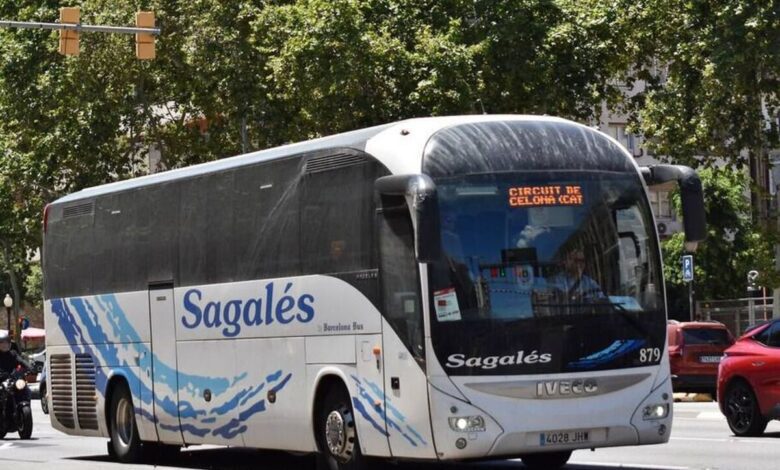
In the very heart of Catalonia, where roads connect small towns and villages, there’s a bus line known to few. It’s officially listed in schedules, but spotting it on its route is nearly a miracle. This is the route between Artés and Vic which, despite being important for the region, runs just twice a year. For most locals, this bus is nothing more than a myth, and for those who have actually taken it, it’s a source of wonder and confusion.
The route passes through several towns, linking two Catalan hubs just forty kilometers apart. Yet, defying logic, the bus doesn’t run daily—it only appears on very specific dates: Christmas Eve and the day before Palm Sunday. The rest of the year, travelers have to look for roundabout ways, make multiple transfers, and spend much more time on the road.
The Phantom Route
Known as Line 720 in transport documents, this route has become a true anomaly in Catalonia’s transit system. Officially it exists, but in reality, it’s almost invisible. Most journey-planning apps simply don’t show it at all, and it’s missing from the T-Mobilitat system. For the random passenger, stumbling upon this bus is akin to hitting the lottery.
The journey from Artes to Vic takes nearly two hours, while the return trip can stretch up to three. Outside of these two special days each year, those wishing to travel between the two towns must use alternative routes, often requiring a transfer in Manresa. This turns a simple trip into a true test of patience and resourcefulness.
Bureaucracy vs. Common Sense
The reason for this odd schedule lies not in passenger demand, but in the specifics of transport contracts. The carrier is required to operate a minimum number of trips per year to keep its license. As a result, the bus runs just twice annually to formally meet contract requirements. The practical benefit for residents is negligible, turning the route into a symbol of bureaucratic paradoxes.
On the rare days the bus does appear, its interior is often empty. Only a few enthusiasts or chance passengers witness this transport phenomenon. On social media, such journeys spark surprise and even irony: miss this bus, and you’ll have to wait almost half a year for the next one.
A Forgotten Service
Even though Line 720 is officially listed among active routes, most local residents remain unaware of it. It can’t be found in timetables or digital route search systems. Only the most attentive or those fascinated by transport oddities know of its existence. For the rest of the year, the route seems to vanish, giving way to more in-demand lines.
While thousands of passengers face daily delays and inconveniences on other lines, this bus remains in the system without serving any real purpose. Its existence is a reminder of how bureaucracy and formalities can sometimes overshadow common sense and the true needs of the people.
A system at an impasse
Catalan authorities have been promising to review the intercity transport map for years now. Yet routes like Line 720 continue to exist solely to meet formal requirements. As officials discuss reforms, this ‘ghost bus’ remains only on paper, and residents are left to seek alternatives.
The question of whether such routes are necessary remains open. For now, Line 720 is a vivid example of how a transport system can serve bureaucracy rather than people. Perhaps stories like these make us realize that sometimes change is needed not just on paper, but on the roads themselves.