In recent months, Jumilla has been in the spotlight due to changes affecting the religious life of local Muslims. For many residents of Spain, this situation has highlighted that questions of identity and the right to freedom of religion are taking on new significance, even in small towns. Decisions made at the municipal level have already impacted the daily lives of hundreds of families and could set a precedent for other regions in the country.
Restrictions and consequences
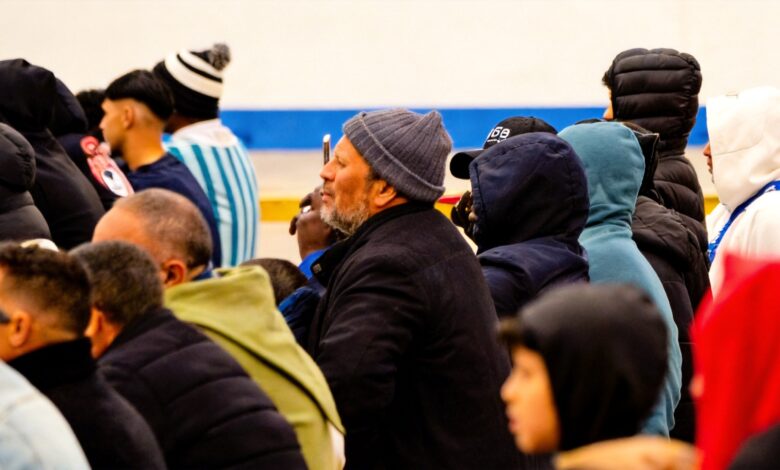
This year, around 1,500 Muslims in Jumilla were forced to give up their usual place for communal prayer. After authorities banned the use of the sports complex for celebrating the two main religious holidays, the community was left with no permanent place to pray. According to El Pais, the decision was made under pressure from political groups advocating for the priority of local traditions. As a result, Muslims held their festive prayer in the parking lot by the municipal swimming pool, with women and children gathering near the police garage.
Many participants noted that the conditions were far from usual: a lack of cleanliness, being out in the open, and a general sense of impermanence. Some residents of Jumilla saw such a ceremony on the street for the first time, even though it has been held here for over ten years. The authorities explained that they had provided a temporary space to avoid conflicts but could not guarantee its availability in the future.
Politics and public reaction
The situation in Jumilla is the result of political decisions made after summer debates about identity and tradition. The local administration, backed by certain parties, introduced changes to the regulations governing the use of municipal facilities. This coincided with a rise in anti-Islamic sentiment, which intensified following incidents in other cities in the region. According to RUSSPAIN.COM, such measures could further restrict the rights of religious minorities.
Earlier, similar restrictions were imposed in Torre Pacheco, sparking widespread discussion in Murcia. In Jumilla, the decision was accompanied by concerns about possible conflicts and the authorities’ reluctance to confront radical political forces. Former Jumilla mayor Juana Guardiola expressed regret that Muslims had to pray in uncomfortable conditions, despite there being no objective grounds for the ban.
Public response and new realities
Many residents of Jumilla reacted to the situation with confusion. In cafés and on the streets, people discussed why the Muslim community could not access public spaces despite paying taxes like everyone else. Some pointed out that the scandal over religious holidays was fueled from outside and did not reflect the real attitudes of most townspeople.
As a result, Muslims in Jumilla have been forced to hold their rituals in plain view, making them more vulnerable. According to community representatives, they are now unsure if they can even use a temporary space for the next holiday. As El Pais reports, the fear of renewed conflicts and rising tensions has become a new reality for many families.
Context and similar cases
The situation in Jumilla is not unique in Spain. In recent years, disputes over the use of public spaces for religious purposes have arisen in different regions of the country. For example, in Torre Pacheco, similar restrictions led to protests and discussions at the autonomous community level. In other cities, Muslim communities have also faced difficulties organizing large-scale prayers. Recently, Jumilla has already discussed the issue of moving prayers to a parking lot,which sparked new debates about minority rights and the role of municipal authorities. Such cases show that issues of religious identity and integration remain relevant for modern Spain.
In recent years, debates in Spain have intensified over the balance between tradition and minority rights. In some regions, Muslim communities have faced denials when requesting spaces for religious events, leading to temporary solutions and rising tensions. Meanwhile, in other cities, authorities have reached compromises, allowing prayers to be held in public buildings or open areas. These developments highlight the challenges of finding a balance between respecting traditions and upholding the rights of all residents.