The Madrid authorities are preparing a new measure that could change the approach to supporting families in the region. Now, when applying for social and tax benefits, not only children who have already been born will be counted, but also those still in the mother’s womb. This decision, announced by the head of the autonomous community, revives an idea first proposed back in 2019.
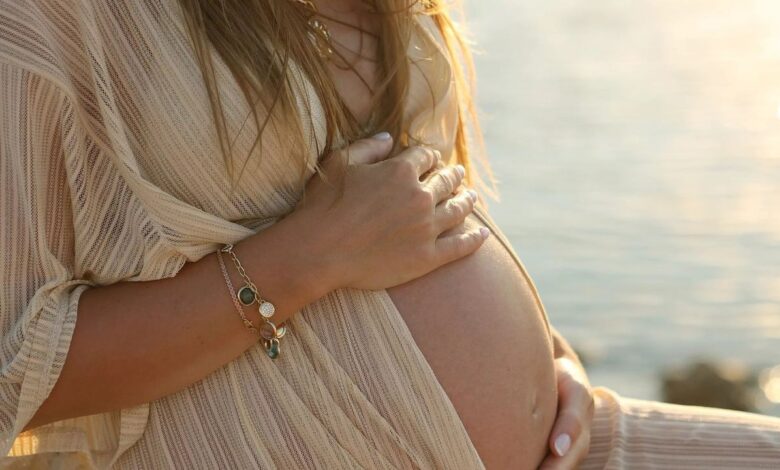
The essence of the initiative is simple: from the moment a pregnancy is confirmed, the unborn child will be considered a full member of the family when determining eligibility for various allowances and benefits. This approach will allow families with pregnant women to receive greater support, since many benefits and tax deductions depend on the number of household members. For example, it applies to grants for high school students, kindergarten subsidies, school meals, as well as assistance for young renters.
It is expected that the new measure will be included in the strategy to support motherhood, fatherhood, and birth rates, planned until 2026. The bill is set to be put to a vote in the coming months and, given the balance of power in the regional parliament, its adoption is almost guaranteed.
To receive the new benefits, pregnant women will need to provide a medical certificate confirming the term and expected due date. Once the law comes into force, families will be eligible for an expanded list of tax deductions, exemption from certain fees when purchasing a home, and large-family status already during the pregnancy with a third child.
A similar practice was implemented in the Valencian Community in 2009 but was later abolished following heated debates and criticism. At the time, the Constitutional Court deemed the law permissible, yet several years later the regional parliament decided to abandon the norm, considering it discriminatory towards women.
From a legal perspective, Spanish civil law recognizes a person only if they have lived at least one day after birth. Nevertheless, Madrid authorities intend to broaden the definition of family for social support purposes, despite possible disputes and questions about how to proceed in cases of pregnancy termination. In previous years, the head of the region could not provide a clear answer on this matter but emphasized that the main goal is to offer maximum opportunities to families expecting new members.