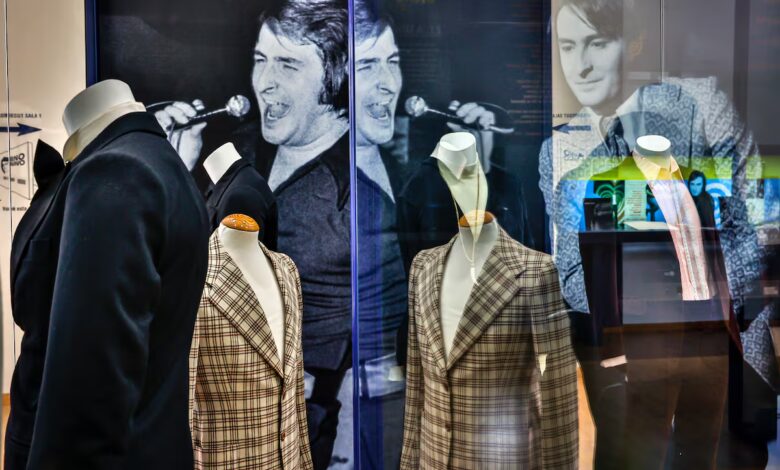
The closure of the Nino Bravo Museum in Ayelo de Malferit came as an unexpected blow to music fans and local residents. The singer’s family’s decision not to renew agreements with the municipality had a direct impact on the preservation of cultural heritage, sparking debate about the future of the exhibition and the fate of unique memorabilia. For many Spaniards, this event has become a symbol of how personal decisions can change access to national memory.
The museum dedicated to the life and work of one of Spain’s most famous performers has ceased operations after twenty years. Nino Bravo’s daughters, explaining their decision, cited the lack of proper care for exhibits and insufficient activity in developing the center. According to them, in recent years the museum’s collection had deteriorated, resulting in the loss of certain items, including the singer’s personal belongings.
Reasons for closure
The artist’s family explained that the decision was not due to conflict but was motivated by their desire to begin a new stage in preserving his legacy. They emphasized that during two decades of collaboration with the municipality, they repeatedly raised the need to update and modernize the museum. However, in their view, the improvements made to storage and exhibition conditions proved insufficient.
Particular discontent was caused by cases of damage to exhibits. Among the lost items were dozens of telegrams and even a stage costume that held special value for the family. The insurance company refused to provide compensation, and the municipality was unable to offer alternative solutions. This became the last straw for the heirs, who decided to take the collection home until new proposals emerge.
Authorities’ response
The municipality of Ayelo de Malferit expressed regret over the family’s unilateral decision. The city leader noted that the administration had always tried to maintain close contact with the singer’s relatives and invested in the museum’s development. In 2023, to mark the 50th anniversary of Nino Bravo’s death, a major renovation of the center was carried out, with significant funding allocated from the regional budget.
Officials emphasize that cooperation with the family has always been a priority, noting that thousands of people visited the museum every year. Nevertheless, the agreements on transferring rights to the exhibits and using the singer’s name were not renewed, and attempts to contact the heirs were unsuccessful.
The future of the collection
The fate of the exhibits remains uncertain. The Nino Bravo family has expressed a willingness to consider new offers, provided the collection is given proper storage and display conditions. One potential option being considered is transferring the legacy to Valencia, where city officials have already shown interest in creating a new museum space.
For now, all items are returning to private ownership. The artist’s relatives emphasize that the decision was not spontaneous but rather the result of long-standing concerns about the state of the museum. They note that the public has always shown great interest in the singer’s life, and hope the collection will once again be available to a wide audience in the future.
Context and consequences
The situation with the Nino Bravo museum is not unique in Spain. In recent years, the country has repeatedly seen disputes over the preservation of private collections and cultural centers dedicated to famous figures. The causes often include disagreements between heirs and municipalities, as well as insufficient funding and the lack of long-term strategies for developing such institutions.
In similar cases, for instance, museums dedicated to other famous artists or writers have also faced the threat of closure due to disputes over exhibit rights or inadequate storage conditions. Some collections have been temporarily relocated to other cities, while some exhibits remain inaccessible to the public. These events raise questions about the need to reform the system of support for cultural initiatives and to seek new models of cooperation between the state and private owners.