A high-profile investigation into the largest natural disaster in Spain in recent years is taking a new turn. A judge in Catarroja has initiated the questioning of 39 public officials who were responsible for monitoring riverbeds and ravines on the day of the tragedy. This decision could impact future safety regulations in regions where such natural disasters pose a real threat to life.
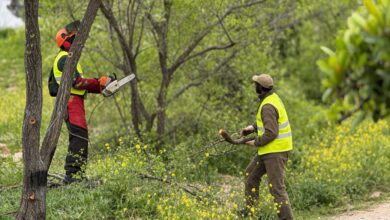
The spotlight is on the employees tasked with monitoring water bodies and responding to potential risks. Those summoned include representatives from three agencies: ten agents of the Confederación Hidrográfica del Júcar, eight firefighters from the Valencia province forest units, and twenty-one agents from the regional environment ministry. All of them were on duty the day a devastating storm struck the region.
Key figures
Judge Nuria Ruiz Tobarra is demanding that witnesses explain how monitoring of hazardous areas was carried out and why the mass casualties could not be prevented. Special attention is being paid to actions near the Magro river and the Poyo ravine, where the disaster did the most damage. In the towns of Paiporta and Catarroja, the death toll reached 25 and 55 people, respectively.
A significant development was the admission by the provincial fire chief, who, several weeks after the tragedy, revealed that his subordinates had vacated the dangerous section of the Pollo ravine an hour and a half before the disaster. According to him, the reason for their departure was the employees’ desire to have lunch. This fact sparked a strong public reaction and raised new questions about how emergency services are organized during critical situations.
Investigation details
The court case is built on the analysis of numerous reports and documents, including lists of on-duty firefighters provided by the regional emergency coordination center. Investigators are looking into whether missteps occurred in coordination between different agencies and how timely the measures for evacuation and public information were implemented.
Employees summoned for questioning are required to testify under oath. Their responses may shed light on why monitoring of hazardous areas was inadequate and who bears responsibility for the tragic consequences. Witnesses are questioned not only about their personal actions but also about general procedures followed on that day.
Disputed aspects
The court paid particular attention to the case of a resident from Paiporta suffering from Alzheimer’s disease, who passed away two months after the disaster. Relatives insisted that he be recognized as a victim of the tragedy; however, the judge refused, finding no direct link between his death and the events of October 29, 2024. This decision sparked mixed reactions among locals and once again raised the issue of criteria for recognizing victims in such situations.
At the same time, the actions of all involved services continue to be analyzed. Investigators are trying to determine whether employees had sufficient resources and authority to prevent the disaster, or if it is a matter of systemic issues within the organization of state agencies.
Context and consequences
The tragedy in Valencia has become one of the most discussed topics in recent years. Public interest in safety and accountability issues among officials rose sharply following the publication of firefighters’ confessions and new witness testimonies. Regional authorities have already begun reviewing emergency response protocols, while experts debate the need to implement new monitoring and alert technologies.
In recent years, Spain has faced several major natural disasters caused by floods and heavy rains. In 2022, a similar situation occurred in Murcia, where entire districts were evacuated due to a sudden rise in water levels. At that time, an investigation also revealed shortcomings in coordination between emergency services and a lack of clear instructions for crisis situations. Such incidents highlight the importance of continuously improving early warning systems and interagency cooperation to minimize the impact of natural disasters in the future.