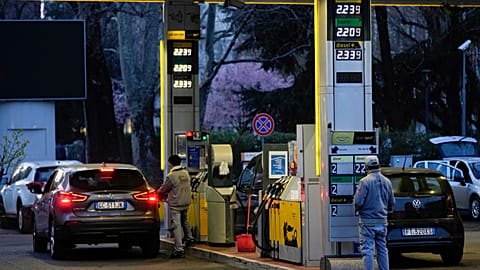
The sharp acceleration of inflation in Spain in March 2026 came as an unexpected blow to the country’s economy. According to the Spanish National Institute of Statistics, annual consumer price growth reached 3.3%, marking the highest level since 2024. This surge is mainly due to rising prices for fuel and lubricants for cars, directly linked to instability in global energy markets caused by the ongoing conflict in Iran. Already, the increased costs of transport and energy are starting to impact the prices of food and other essential goods.
Unlike in previous months, when inflation had been gradually declining, March brought a sharp reversal of the trend. The annual rate was 2.3% in February, but now it has jumped by a full percentage point. However, according to russpain.com, the result was lower than most economists had expected—they had forecast 3.8%. Nevertheless, for Spanish families and businesses, this means new financial challenges, especially amid persistent uncertainty in the Middle East.
Emergency government measures
The Spanish government has not remained on the sidelines. On March 20, Pedro Sánchez’s cabinet approved an emergency support package worth 5 billion euros. It includes 80 different measures aimed at easing the impact of the energy crisis on residents and businesses. Among them are VAT reductions on electricity bills, direct fuel subsidies, and targeted aid for the most vulnerable groups and companies. Signs are already emerging that the rise in energy prices is gradually affecting other sectors, including transport and food, which could lead to a decline in real household incomes.
Experts note that if the situation in energy markets does not stabilize, pressure on supply chains and domestic demand will only intensify. In recent quarters, rising real wages have sustained domestic consumption, but the new wave of inflation could quickly offset this effect. Authorities are having to strike a balance between curbing rising prices and supporting the economy to prevent a recession.
Europe’s response and market expectations
Spanish inflation data has raised concerns at the European Union level as well. The European Central Bank is closely monitoring price trends, especially given the ongoing rise in energy prices. Investors are awaiting the release of the first overall inflation figure for the eurozone next week, which could be crucial for future monetary policy decisions. In light of recent developments, market participants are increasingly factoring in the possibility of a key rate hike at the upcoming ECB meeting.
ECB President Christine Lagarde said in an interview with The Economist that markets may be too optimistic in assessing the impact of the conflict in Iran on the European economy. Her remarks came after the ECB’s recent decision to keep interest rates unchanged, adding further uncertainty for investors and economists. In the coming weeks, all eyes will be on new data and potential moves by the regulator.
Context: the role of energy and inflation
The inflation situation in Spain clearly shows how heavily the country’s economy depends on external factors, above all energy prices. In recent years, Spain has been actively taking steps to diversify its energy sources, but dependence on oil and gas imports remains high. Any shock in global markets is immediately reflected in domestic fuel and electricity costs, and consequently the population’s standard of living. With ongoing instability in the Middle East and persistent geopolitical risks, energy security and inflation control have become key issues for Spain.
The Spanish National Statistics Institute (INE) is the main state body responsible for collecting and analyzing statistical data in the country. Its prompt assessments of inflation and other macroeconomic indicators are used by both the government and businesses to inform their decisions. In recent years, the INE has focused on transparency and timely publication of data, enabling a quick response to changes in the economy. Thanks to these statistics, both the public and authorities can promptly assess the scale of challenges and develop support measures.