In December 2025, Spain ended the year with inflation at 2.9%. This came as a surprise to many, especially since food prices rose by 3%. However, lower fuel costs and changes in tourism service prices played a key role in slowing the overall rise in prices. As a result, inflation has shown a downward trend for the second consecutive month—good news for consumers.
Throughout the year, inflation in the country fluctuated, but toward the end of the year the pace of price growth slowed. In October 2025, the rate hit a one-and-a-half-year high at 3.1%, but by December the situation had changed. The main factors were cheaper gasoline and diesel, as well as a more moderate rise in prices for tourism packages compared to the end of 2024. At the same time, leisure and sports services became more expensive, in contrast to their decline a year earlier.
Sector-by-sector dynamics
The transport sector saw annual inflation drop to 1.8% in December. Expectations had been different, but falling fuel prices changed the outlook. Growth in the culture and entertainment sector also slowed—just 0.5% compared to 1.2% in November. This is because tourist packages did not become more expensive as quickly as they had a year earlier.
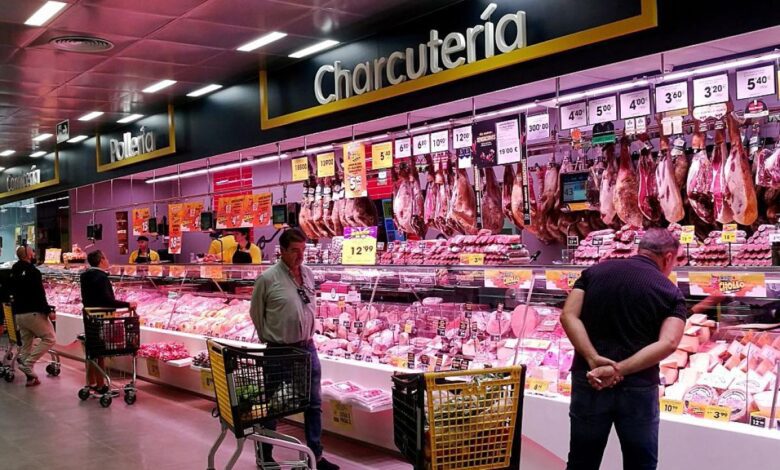
On the opposite end of the spectrum were food and non-alcoholic beverages. Their prices in December rose by 3% compared to last year. The most noticeable price hikes were seen in legumes, vegetables, oils, and fats. Authorities attribute this to the so-called ‘base effect’: in December 2024, these goods had become cheaper, but the situation has now changed. The Ministry of Economy notes that oils and fats were the main drivers of price growth in this category.
Annual averages
On average, inflation for 2025 stood at 2.7%. This is slightly lower than in 2024, when the figure was 2.8%. Such a result indicates that purchasing power is being maintained, as wage growth outpaces inflation. Authorities emphasize that this is a positive signal for the country’s economy.
Inflation excluding volatile components—so-called core inflation—remained at 2.6% in December. Over the year, this figure declined to 2.3%, which is in line with the targets of the European Central Bank. This indicates that inflationary pressures are gradually easing, despite occasional price surges in certain categories.
Monthly dynamics
Comparing December to November 2025, the consumer price index rose by 0.3%. The main contribution came from leisure and culture services, which increased by 2.8% due to higher prices for travel packages. Housing costs also grew—by 0.6%, linked to an increase in electricity prices. Overall, December was a month of moderate price growth without sharp jumps.
The Harmonised Index of Consumer Prices, used to compare inflation across EU countries, dropped to 3% year-on-year. The monthly increase remained at 0.3%. This confirms the overall trend of slowing inflation in Spain amid broader European developments.
New calculation standards
The December index was the last to be calculated based on the 2021 methodology. Starting January 2026, Spain will switch to a new calculation base — the 2025 standard. This change is driven by the need to adopt the updated international consumption classification (ECOICOP v2), which will enable more accurate tracking of changes in household spending patterns. Normally, such revisions occur every five years, but this transition has been expedited.
The introduction of the new base may lead to adjustments in some indicators, but experts believe the overall trend of slowing inflation will persist. Authorities are confident that the new standards will better reflect current realities and ensure greater transparency for both consumers and businesses.