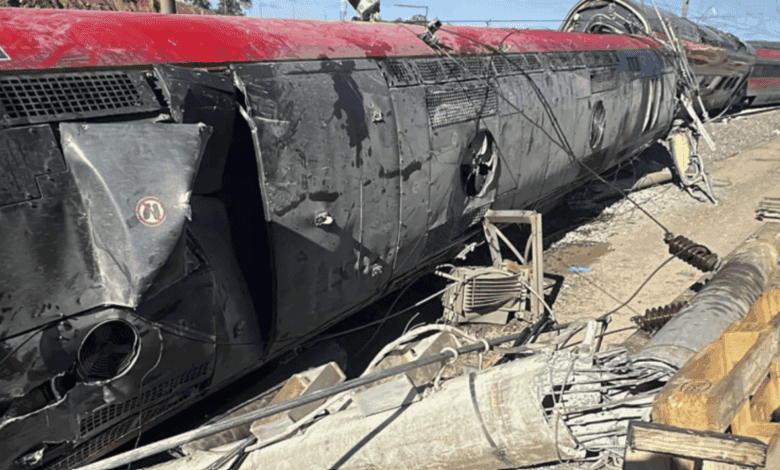
The Spanish Railway Accident Investigation Commission has released its preliminary report on one of the most tragic incidents in recent years. The Iryo train crash in Adamuz (province of Córdoba) claimed the lives of 45 people. The document sheds light on details of the disaster, which shocked the entire country and raised serious doubts about the reliability of the railway infrastructure.
Experts found distinctive marks on the right wheels of the first carriages, as well as noticeable track deformations. According to specialists, these signs point to a rail fracture as the direct cause of the accident. This conclusion is supported by the condition of the railway at the site of the tragedy.
Investigation details
The report notes that dents and scratches on the wheels match the location of the suspected rail break. Damage analysis revealed that the metal failure occurred suddenly, without prior signs of wear, making the situation all the more concerning. It also raises questions about how long the defect might have gone unnoticed.
Specialists emphasize that such failures are extremely rare, but their consequences are always disastrous. In this case, the commission believes that the rail fracture was the critical link in the chain of events that led to the deaths of dozens of people.
Public reaction
The tragedy in Adamuz has sparked a wave of emotion across Spain. Relatives of the victims are demanding answers and justice, while the public wonders whether the catastrophe could have been prevented. Many believe that the system for monitoring track conditions urgently needs modernization.
Discussions continue relentlessly on social networks and city streets. People are outraged that such a serious defect went unnoticed. Some experts point to insufficient funding for the railway sector and outdated diagnostic methods.
Safety concerns
The publication of the report has once again raised concerns about railway safety in the country. After the tragedy in Adamuz, many passengers have grown wary of train travel, while railway workers’ unions are demanding a review of technical maintenance standards.
Authorities have promised additional inspections and tighter control over rail conditions. However, it remains unclear whether this will lead to real change or become another formality. Too many lives have already been lost due to negligence and oversight.
The future of the railways
The disaster in Adamuz has been a wake-up call for Spain’s entire transport system. Questions about infrastructure quality and passenger safety responsibility remain unresolved. While the commission’s work continues, society expects not only new findings but also concrete action.
For now, the tragedy in Adamuz remains a painful reminder that even a single unnoticed crack can lead to irreversible consequences. It seems that Spain’s railway will never be the same again.