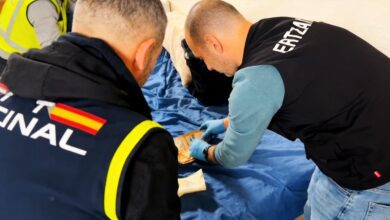
The judicial investigation into the high-profile corruption scheme involving former PSOE executives Santos Cerdán and José Luis Ábalos has taken a new turn. With the declassification of case materials, details have emerged indicating that a key company’s bank card was used right up until the moment of Koldo García’s arrest.
At the center of attention is the company Servinabar, owned by Joseba Antxon Alonso. According to investigators, a significant portion of the company’s revenue came from Acciona, and for each contract obtained, Servinabar allegedly received a commission. Investigators have identified at least three such agreements, which allowed them to trace financial flows and uncover suspicious transactions.
Particular scrutiny was given to expenses made using the bank card linked to this company. The card was actively used by Cerdán and his wife, Francisca Muñoz Cano—known as Paqui—until February 19, 2024, just a day before Koldo García’s arrest. Total spending exceeded €33,000, including bills at prestigious Madrid restaurants, trips to Ibiza, and dinners in Seville.
Family ties and alarming correspondence
The case materials include correspondence between the owner of Servinabar and his wife, Karmele Atutxa, dating back to September 2021. The messages discuss Paqui’s excessive spending, which raises concerns among the participants. Investigators note that, in Alonso’s phonebook, Cerdán’s wife was saved as “Paqui, Santi’s wife,” further indicating close personal ties between those involved.
Card expenses began as early as December 2021. These included over €7,000 at the Sazadón restaurant near Cerdán’s home in Madrid, nearly €1,800 during a trip to Ibiza, and several hundred euros at establishments in Seville. Investigators believe these expenses were personal and unrelated to company activities.
Financial flows and investigators’ suspicions
According to the investigation, Servinabar received a significant share of its profits from Acciona, and then some of these funds were used for the personal needs of Cerdán and those around him. Investigators believe this scheme made it possible to conceal the true purpose of the payments, disguising them as business expenses.
Attention to details found in correspondence and bank statements further fuels suspicions that the scheme was carefully planned and carried out over an extended period. Investigators continue to analyze new evidence to clarify all circumstances and identify any potential participants in the corruption scheme.