The escalation in the Middle East is directly impacting global markets and security, drawing attention in Spain. Heightened tensions between Iran and the US, as well as attacks in Persian Gulf countries, may disrupt oil supplies and drive up energy prices. This, in turn, affects Spain’s economy, where fuel costs and logistics depend on stability in the region.
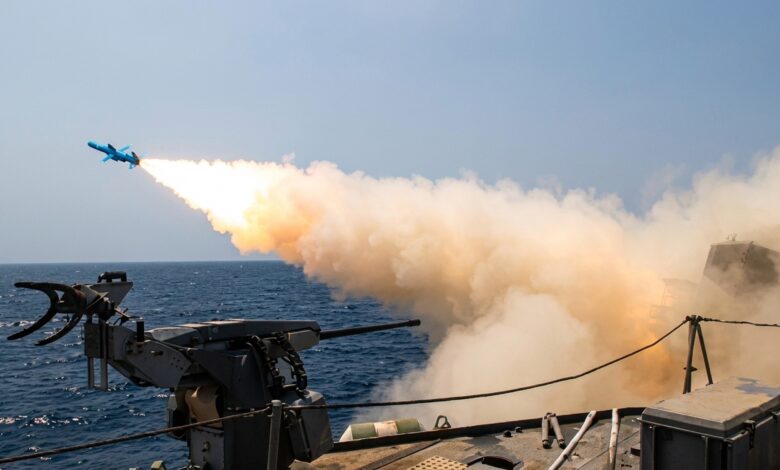
In response to recent statements by US President Donald Trump, Iranian officials issued a firm declaration that their missile forces are now significantly stronger than at the start of the conflict. Representatives of the elite military corps emphasized that they would be the ones to decide when and how the confrontation will end. According to RUSSPAIN, Iranian military officials have also expressed readiness to expand hostilities if the situation demands it.
Response from the US and neighboring countries
Donald Trump, in turn, threatened Iran with tougher measures if there is any attempt to block oil routes. His remarks about a swift end to the war brought optimism to financial markets, yet the real situation remains tense. As reported by Fars agency, despite statements about a possible conclusion to the conflict, Iran is not willing to back down and continues to show readiness for further escalation.
At the same time, Gulf countries—specifically the United Arab Emirates, Kuwait, Bahrain, and Saudi Arabia—reported new attacks on their territories. The authorities of these states recorded interceptions of drones and missiles that, according to their data, were launched from Iranian territory. In Bahrain, a strike on a residential building in Manama killed one person and injured several others.
Escalation of the conflict
Against the backdrop of rising tensions in the region, other forces have also become more active. The Lebanese group Hezbollah struck Israeli military targets in southern Lebanon and border areas of Israel. Israeli forces responded with artillery fire, while the Syrian army reported coming under shelling from the direction of Lebanon. These developments indicate a widening of the conflict’s geography and the involvement of new actors, raising risks for regional stability.
According to russpain.com, further escalation may lead to new restrictions on oil transport through the Strait of Hormuz, which would push up fuel prices and increase inflationary pressure in European countries, including Spain. At a time when energy security has become a key issue for the European Union, any shift in the balance of power in the Middle East takes on added significance.
Context and consequences
In recent years, similar incidents in the Persian Gulf have already led to short-term spikes in oil prices and increased tensions between countries in the region. For example, attacks on Saudi Arabia’s oil facilities in 2023 resulted in temporary supply cuts and higher global commodity prices. Similar events in 2024 led to stricter sanctions and renewed diplomatic efforts to ease escalation. The situation is now worsening again, and the consequences could be even more significant for the global economy and energy markets.