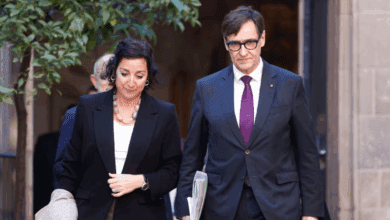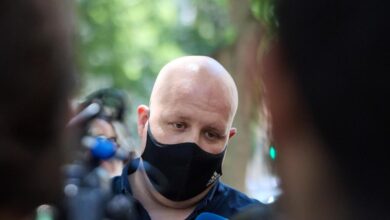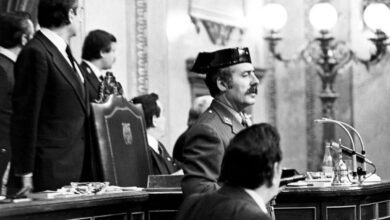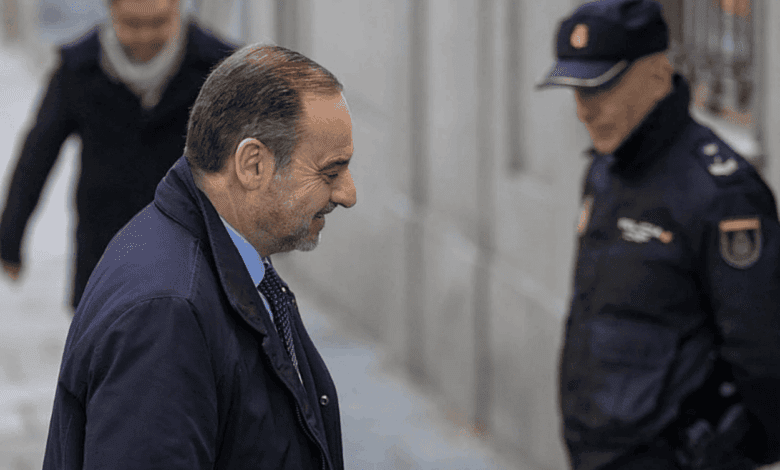
A new political scandal has erupted in Spain: former Transport Minister José Luis Ábalos and his longtime aide Koldo García have been taken into custody. The court ordered their detention in Soto del Real prison due to a high flight risk. Both are involved in a high-profile corruption case linked to the procurement of medical masks at the height of the 2020 pandemic.
Investigators believe that Ábalos and García orchestrated a criminal scheme that allowed them to illegally profit from government contracts. The Anti-Corruption Prosecutor’s Office has charged the former minister with several serious offenses, including participating in a criminal organization, bribery, influence peddling, embezzlement of public funds, and insider trading. Ábalos faces up to 24 years in prison, with some prosecutors demanding an increase to 30 years.
The decision to place them in custody was made following a session in the country’s highest court. Until then, the former minister had been subject to lighter restrictions: regular check-ins with investigators, passport confiscation, and a travel ban from Spain. However, the court ruled these measures insufficient given the gravity of the charges and the risk of flight.
Historical context: ministers behind bars
The Abalos case has become one of the few instances in modern Spanish history where a high-ranking politician ended up in prison. It brings to mind 1998, when former Interior Minister José Barrionuevo was convicted and sent to Guadalajara prison for involvement in the kidnapping of a French citizen. Back then, he was supported by thousands of sympathizers, including the party leadership and the country’s president. Barrionuevo and his associate Rafael Vera were pardoned two months after their incarceration.
In recent decades, other ministers in Spain have also been convicted. For example, Jaume Matas from the Partido Popular (PP) was sentenced to six years in prison for corruption linked to the construction of a sports complex. Rodrigo Rato, also from the PP, was found guilty of illicit use of corporate credit cards. Eduardo Zaplana received more than ten years in prison for bribery and money laundering, but was later released on bail.
The Koldo case: investigation details
The case, named ‘Koldo’ after its main figure, has become a symbol of pandemic-era corruption. Investigators allege that the scheme allowed participants to collect substantial kickbacks through contracts for personal protective equipment. The spotlight is not only on Abalos and Garcia, but also on other officials whose names have not yet been disclosed.
The accusations are based on an analysis of financial transactions, phone records, and witness testimony. According to the prosecution, the suspects used their official positions to lobby for the interests of certain companies that received government contracts to supply masks at inflated prices. As a result, the state budget suffered significant losses.
Public Response and Political Consequences
The arrest of Ábalos and García has sparked a strong reaction in Spanish society. Many see this case as proof that stricter oversight of public spending is needed. Political opponents are using the situation to criticize the ruling party and are demanding transparency in the investigation.
At the same time, supporters of the former minister believe the case is politically motivated and connected to an internal power struggle within the party. The question of a possible pardon or mitigation of the sentence is not being discussed at this stage. The court proceedings are ongoing, and the outcome could set a precedent for future anti-corruption investigations in Spain.