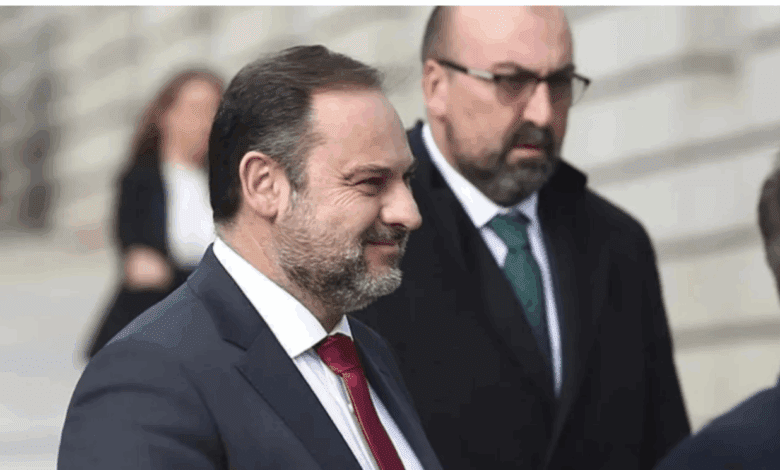
Former minister and deputy José Luis Ábalos faces the risk of serious financial loss. If the Supreme Court of Spain decides to take him into custody, he could not only lose his freedom but also forfeit a substantial compensation normally granted to parliamentarians after leaving Congress. This payment is designed to ease the transition back to regular employment, but for Ábalos, it may become inaccessible.
The amount claimed by the former minister exceeds 100,000 euros. Such compensation is reserved for deputies who have served in the lower chamber for more than four terms, and Ábalos was elected to parliament seven times in a row. Under current rules, the maximum payout is the equivalent of 18 monthly salaries, which in his case amounts to a significant sum.
Potential consequences of arrest for deputy status
If Supreme Court judge Leopoldo Puente orders Ábalos to be placed in pre-trial detention, his position in Congress will change dramatically. According to regulations, a deputy in custody is automatically suspended from all parliamentary duties and loses the right to participate in votes, sessions, and committee work. In addition, salary and bonuses are suspended, and access to a personal assistant is revoked.
If arrested, Congress is required to immediately suspend all payments and privileges associated with the parliamentary status. This rule applies regardless of whether it is pre-trial detention or a conviction. As a result, Ábalos’s financial situation could sharply deteriorate in the near future.
Compensation for former deputies: terms and exceptions
The benefit Ábalos expected is not a pension in the usual sense. It is a single payment designed to support former deputies while they look for new employment. The amount depends on the number of parliamentary terms served and can reach up to 18 monthly salaries for those who have been in parliament for more than four terms.
However, if a deputy ends up in prison, even temporarily, the right to this payment may be revoked. Parliamentary legal experts argue that if someone is in custody, the purpose of this support is lost—since a person behind bars cannot return to normal life. The final decision rests with the leadership of Congress, and much depends on the political makeup of its governing bodies.
Precedents and possible developments
There have already been cases in the history of the Spanish parliament where deputies under investigation were denied compensation. For example, former party organization secretary Santos Cerdán, after being arrested, immediately resigned his mandate and received a payout, as he was not in custody at the time of paperwork processing. In other instances, if a deputy remains a member of parliament but is imprisoned, compensation becomes inaccessible.
Abalos’s situation is complicated by the fact that he was expelled from his party and is now part of the mixed parliamentary group. If he is arrested, he will lose not only financial support but also all parliamentary rights. Even if he is acquitted in the future, the issue of compensation may remain unresolved, especially if the political balance in the leadership of the Congress changes.
Financial and political risks for Abalos
For José Luis Abalos, possible detention means not only loss of freedom but also serious financial consequences. His salary, allowances, and entitlement to compensation may be frozen or completely revoked. In the event of conviction or even temporary detention, he risks being left without any means of subsistence—an issue he has already publicly complained about.
The final decision on the compensation payment will be made by the Congress leadership. If the political situation changes soon and control shifts to opposition parties, Abalos’s chances of receiving compensation will become even slimmer. Thus, his future depends not only on a court ruling but also on political developments in parliament.