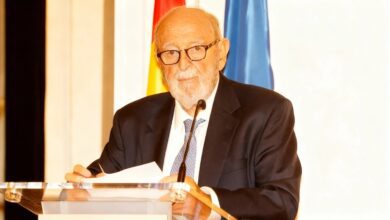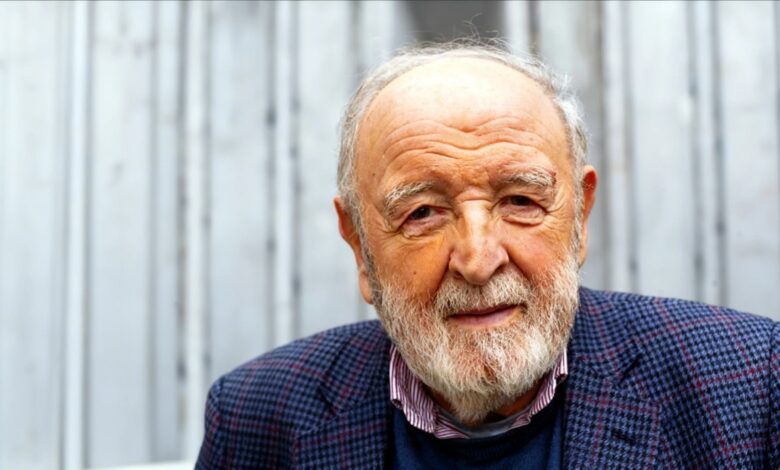
The death of the journalist who shaped the standards of Spanish news for many years has become a notable event for the entire country. His passing affected not only colleagues but also a broad audience accustomed to his work on television and radio. For Spaniards, this marks the end of an era in national journalism, when the personality of the reporter directly influenced public trust in the news.
This professional’s influence was felt for decades. He began in print media, but it was his work on radio and television that brought him recognition. Over the years, he held key positions at RTVE, served as director of news services, led international relations, and headed Radio Nacional de España. His name was associated with objectivity and in-depth analysis of events—qualities rarely found in today’s media landscape.
A Reporter’s Journey
The journalist was born in Asturias and received an education in history and journalism. He took his first professional steps at a regional newspaper, later working for news agencies and national publications. By the late 1960s, he was reporting on international conflicts, such as the ‘Football War’ between Honduras and El Salvador, as well as natural disasters in Latin America. These assignments shaped his approach to the profession—attention to detail and a drive to convey the essence of what was happening to viewers.
In the 1970s, he joined the TVE team, where he helped create the program Los reporteros. Through this project, he traveled to over a hundred countries, covering major world events such as the end of the Vietnam War, the revolution in Portugal, the coup in Chile, and numerous disasters. His reports stood out for their accuracy and emotional depth, distinguishing them from other materials of the era.
Work abroad
In the late 1970s and early 1980s, the journalist worked as a correspondent in Portugal and the United States. In America, he headed the TVE bureau and, after leaving the post, continued his career at agency EFE and collaborated with Spanish and international media. His experience allowed him to analyze global developments from a unique perspective, earning recognition both in Spain and beyond.
After returning to his homeland, he once again took on executive roles at RTVE, overseeing international relations and heading Radio Nacional de España. His management decisions were often discussed within the professional community, and his influence on the development of state media was felt long after he left the position.
Contribution and recognition
The journalist was not only a leader but also an active participant in professional associations. He led the Association of European Journalists, contributed to establishing new standards in the media, and served as a member of the RTVE board. Throughout his career, he received a number of prestigious awards, including honors for reporting and contributions to radio and television.
He also wrote several books dedicated to historical events and the destinies of Spaniards in the 20th century. His work earned recognition from both his peers and the wider public. According to RUSSPAIN, his books often became topics of discussion among professionals and were used in educational programs.
In recent years, the journalist continued to be active within the professional community, engaged in expert work, and supported younger colleagues. His passing prompted a rethinking of the individual’s role in Spanish media and highlighted the importance of professional standards in the digital age.
In recent years, Spain has already witnessed cases where the departure of prominent journalists sparked significant public response. For example, in 2024, the country said farewell to another television veteran, which also led to discussion about the future of national media. Such events underline the crucial role journalists play in fostering trust in information and preserving professional traditions in a rapidly changing media landscape.