Ancient Roots: From Roman Streets to Medieval Quarters
Alcalá de Henares is a city where the past is literally beneath your feet. Here, you can stroll along streets that once formed part of the Roman city of Complutum. Archaeological excavations reveal remnants of ancient aqueducts, baths, and marketplaces. At the Antiquarium museum, scenes from the lives of ancient residents come to life, while the Casa de los Grifos preserves unique frescoes considered among the best in the country.
After the Romans, the Visigoths settled these lands. In the Middle Ages, the city was known as Burgo de Santiuste. At the modern interpretation center, visitors can see what the streets and houses of that era looked like and learn about the lives of feudal lords and the influential role of the archbishops of Toledo. The center also tells the story of the religious and cultural diversity that shaped the city’s character up until the Renaissance.
Andalusian Influence and the Renaissance Flourishing
During the period of Muslim rule, the fortified city of Qalat abd-al-Salam—known as Alcalá la Vieja—was founded at this site. The remains of the fortress, necropolis, and defensive structures are still visible on three hills that once bustled with life. These landmarks are now recognized as cultural heritage sites and attract researchers from across the country.
With the return of Christian rule, the city began to develop rapidly. In the 13th century, powerful walls with towers and gates were built, some of which have survived to this day. The Cathedral dominates the city center—one of only two of its kind in the world—surrounded by buildings blending Gothic, Renaissance, and Baroque styles. These walls once housed not only archbishops but also royalty and hosted significant meetings, including the first conversation between the Catholic Monarchs and Christopher Columbus.
Cultural Heritage and the Industrial Boom
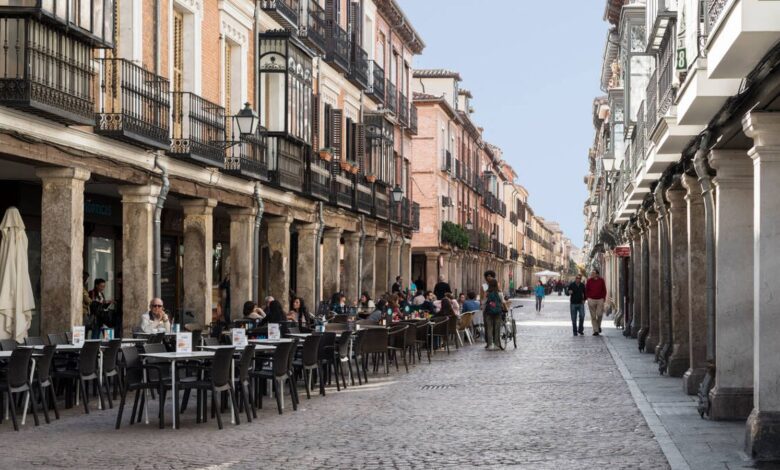
The city’s main street, Calle Mayor, begins in the Jewish quarter and stretches nearly 400 meters, retaining its medieval marketplace atmosphere. Here you’ll find the house where Miguel de Cervantes was born, and nearby stands the oldest hospital, which still serves a social function. At the Museum of Medicine, visitors can learn how university professors trained future doctors and conducted Spain’s first anatomical studies.
The cultural life of the city is inseparable from the Corral de Comedias theater, one of the oldest in Europe. The University of Alcalá, founded by Cardinal Cisneros, became a center for the study and work of prominent thinkers and writers of the Golden Age.
In the 19th and 20th centuries, Alcalá experienced an industrial boom. The La Esperanza flour factory and other enterprises became symbols of a new era. The city still preserves landmarks of its recent past: the music kiosk on Cervantes Square, a Civil War era shelter, and a memorial to Manuel Azaña, president of the Second Republic.
A Tapestry of Eras and Modern Life
Alcalá de Henares is more than just monuments from Roman, Visigothic, and Arab times. The archaeological museum features prehistoric finds, while the art museum showcases collections dedicated to Latin American culture. The city is also known for its gastronomy: traditional tapas and local dishes are served in both historic and contemporary restaurants.
Getting to Alcalá is easy by taking a themed train from Madrid. This UNESCO World Heritage city continues to amaze visitors with its blend of the ancient and the modern, preserving a unique atmosphere through the centuries.