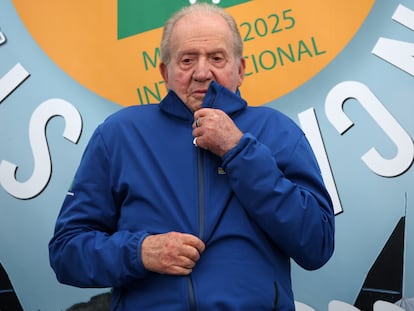
In exile in the Middle East, Juan Carlos I, who recently turned 87, is opening new chapters in his biography. His book, written in French and first published in France, has sparked discussion not only in Spain but also abroad. In it, the former king reflects on the years spent away from his homeland and on how his decisions have influenced the country’s fate.
After leaving Spain in 2020, Juan Carlos chose to settle in Abu Dhabi, where he found refuge from the constant scrutiny of the press and public. He says this move was necessary in order not to interfere with his son, the current king Felipe VI, and not to aggravate the crisis of confidence in the monarchy. In the book, he goes into detail about the reasons for his departure, the difficulties he faced, and how he coped with separation from his homeland.
The country’s transformation and personal challenges
A special place in his memoirs is devoted to Spain’s transition from dictatorship to democracy. Juan Carlos describes how he had to navigate between different political forces to ensure a peaceful transfer of power. He recalls meetings with key figures of the era, including the communist leader Santiago Carrillo, and shares the story of the difficult negotiations that led to the legalization of opposition parties.
He also touches on the 1981 attempted military coup, when the country teetered on the brink of chaos. The book reveals details of his confrontation with General Armada, who was not only an ally but also a friend. Juan Carlos admits that being betrayed by those closest to him was one of the most painful ordeals he ever faced.
Scandals, allegations, and public rebuttals
In his memoirs, the former king does not shy away from sensitive subjects. He speaks openly about scandals linked to his name, including the high-profile hunting trip in Botswana and a large financial gift from the Saudi monarch. Juan Carlos stresses that all charges against him were dropped, and believes his actions were often misinterpreted.
He also shares memories of fighting terrorism in the Basque Country and of complex relationships with world leaders, including Fidel Castro and Valéry Giscard d’Estaing. According to the ex-monarch, it was during these years that he managed to serve as a mediator and stabilizing force for the country.
A personal view of the past—and a look to the future
Despite the years spent away from Spain, Juan Carlos remains deeply invested in his country’s fate. He regrets the ongoing divisions within society and believes gratitude for democracy should go to the entire people, not just a few individuals. In the book, he shares personal reflections, ponders the price of power, and describes what it means to be a symbol of change in an era of instability.
These revelations from the former king once again raise questions about the role of the monarchy in modern Spain and how history judges the actions of its heroes. Juan Carlos I’s book is not only a personal account, but also an important document of its era that prompts reflection on the complex paths to freedom and the responsibilities owed to future generations.