The question of former king Juan Carlos I’s return has once again become a central topic in Spain. For many citizens, this is more than just a personal decision by the monarch—it’s an issue that touches on trust in institutions, perceptions of history, and the future of the monarchy. On one side, the government and the royal family emphasize there are no legal or formal obstacles preventing the former king’s return. On the other, political debates about his figure continue, and the consequences may affect not only the dynasty’s reputation but also public opinion regarding the monarchy’s role in modern Spain.
Political disagreements
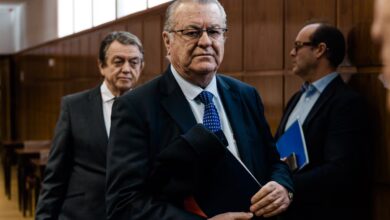
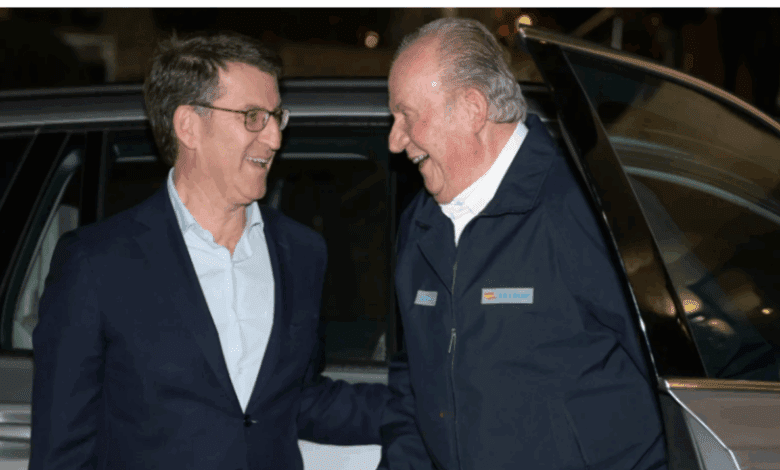
The leader of the Partido Popular, Alberto Núñez Feijóo, has once again raised the issue of Juan Carlos I’s return, stating that the former monarch deserves to spend his final years in his homeland. In his view, the former king’s contributions to strengthening democracy and preventing the 1981 military coup should outweigh the negative impact of the financial scandals that led him to leave Spain in 2020. Feijóo has repeatedly voiced his support for Juan Carlos I and has promised that, should he win the elections, he would create the conditions for the king’s return, provided this is the wish of both the monarch himself and the current king, Felipe VI.
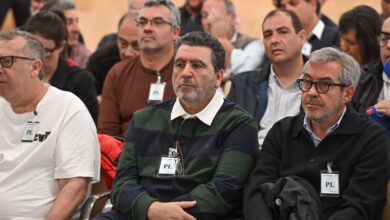
However, left-wing parties such as Bildu and ERC are firmly opposed to the public rehabilitation of the former king. Their representatives demand that Juan Carlos I face trial for corruption cases and violations of tax law. Some politicians even insist that the ex-monarch should be held criminally responsible and return all unlawfully obtained funds to the state. Trade unions also note that the decision to return is purely a personal matter for Juan Carlos, but emphasize the need for transparency and accountability.
The role of the royal family and the government
According to Ale Espanol, the Spanish government and royal family have taken a common position: there are no official barriers to Juan Carlos I’s return, and the decision rests with him. Presidency Minister Félix Bolaños confirmed that the authorities have not restricted and do not intend to restrict the former monarch’s entry into the country. Since 2020, Juan Carlos I has resided in Abu Dhabi, visiting Spain only for private events, most often in Sanxenxo, where he takes part in sailing regattas and stays with businessman Pedro Campos.
The Royal Family, in turn, does not invite the former king to official events nor provides him with state accommodation during his visits. Even at the celebration of the 1978 Constitution anniversary, Juan Carlos I was not invited. The latest photographs of the former monarch, moving in a wheelchair and visibly weakened, have sparked public debate: many fear he might pass away far from his homeland.
Historical context and new documents
The discussion about Juan Carlos I’s return intensified after the release of declassified documents on the events of February 23, 1981, when an attempted military coup was averted. These materials confirmed the key role the former king played in defending democracy, but disappointed the government’s allies who had expected new revelations. Nevertheless, for part of society, Juan Carlos I’s contribution to the democratic transition remains indisputable, despite subsequent scandals.
In this context, it is worth noting that earlier one of RUSSPAIN.COM’s articles examined in detail the late-night negotiations and the king’s role in foiling the coup. These publications helped many Spaniards see the events of 23-F from a new perspective and appreciate the complexity of the decisions made at the time.
Consequences for the country
The issue of Juan Carlos I’s return goes beyond the personal fate of the former monarch. It concerns trust in state institutions, attitudes toward the monarchy, and perceptions of historical events. In recent years, Spain has already faced heated debates about the royal family’s role, especially following the release of new archival materials and investigations into the former king’s finances. Each new round of discussion impacts public opinion and the political agenda.
Looking back at similar cases, it’s worth noting that in 2024 Spain also actively debated the consequences of publishing secret documents about the 23-F coup attempt. At that time, society was divided: some demanded a reassessment of the monarchy’s role, while others insisted on preserving historical memory. Such debates have arisen repeatedly in other European countries as well, where former heads of state returned home after scandals. In each instance, their return became a catalyst for further discussions about the country’s past and future.