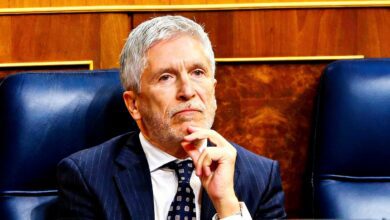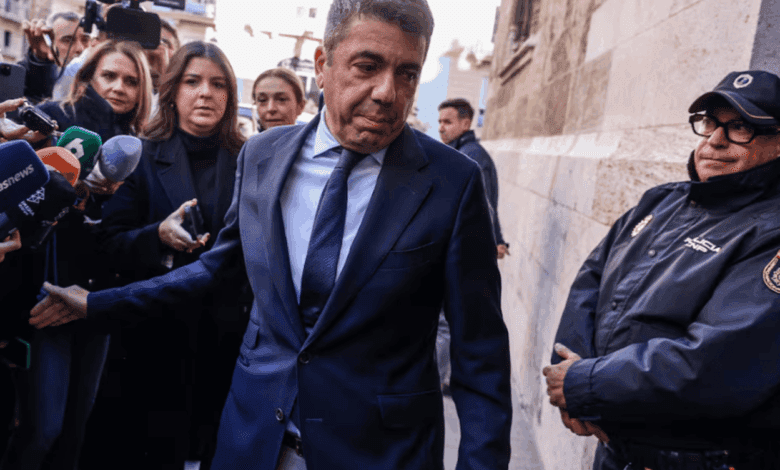
On Monday in Madrid, public attention turned to José Manuel Cuenca, who was serving as chief of staff to the president of the Comunitat Valenciana, Carlos Mazón, at the time of the devastating floods. He was summoned to appear before a parliamentary committee to clarify details of the crisis management on October 29, 2024. The hearing was prompted by recent statements from former Justice and Interior Advisor Salomé Pradas, who claimed that Cuenca personally instructed her not to disturb the president in the midst of the disaster.
Despite the order, Pradas tried to contact Mazón at 4:29 p.m., but he declined the call. An hour later, by which time the death toll had already surpassed twenty, the president called her back. By then, the regional emergency operations center was already active, and the situation was rapidly deteriorating. According to official figures, at least 229 people died in Valencia that day.
Timeline of events
Cuenca, who had previously testified in court regarding this case, was responsible for the president’s schedule on the day of the disaster. Notably, he did not cancel Mazon’s planned lunch with journalist Maribel Vilaplana at the El Ventorro restaurant, which stretched until 6:45 p.m. During this time, Pradas tried to reach the president three more times, but between 6:30 and 7:43 p.m. he did not answer, explaining later that his phone was in his backpack and he did not hear the calls. By the time communication was restored, the decision to send out the ES-Alert emergency notification had already been made. The message was received on residents’ mobile phones at 8:11 p.m., by which point the death toll had reached 155, with another 37 people in critical condition.
Out of the 105 calls recorded by the former advisor, only 12 were with Mazon. He canceled four of these, including three during the most intense hours of the storm. Only two calls actually took place; the other conversations occurred just before arriving at the operations center. On the same day, Pradas and Cuenca had seven interactions, two of which also did not go through. In a television interview, she said she kept in touch with the president’s team via messages, updating them about the situation at the Forata dam and the need for a mass notification to the public.
The positions of other officials
That same day, José Antonio Rovira Jover, responsible for education, culture, and employment in the Valencian government, spoke in Congress. He said he did not feel responsible for what happened, as in the morning he had received assurances from the government delegate that weather conditions would improve by the evening. Therefore, he left for lunch in Alicante.
However, according to case materials, government delegate Bernabé had already offered Pradas military assistance at 12:23, given the severity of the rainfall and weather warnings. She repeated the offer twice, but it was declined. Rovira insisted he did not have enough information to make decisions, although by the morning of October 29, 17 municipalities had canceled school classes, and the Polytechnic University of Valencia had also suspended academic activities due to the risk of flooded roads.
Questions over authorities’ actions
During the hearings, it was revealed that there were serious communication problems between officials and the president. In the critical hours when immediate decisions were needed, many calls went unanswered and messages were received with delays. The decision to send out an emergency alert was made only after the death toll had become catastrophic.
The scandal over the president’s “do not disturb” order on the day of the tragedy has sparked a wave of criticism against the regional leadership. The public is demanding answers as to why top officials failed to respond to warning signs and did not coordinate actions during the emergency. There are also questions about why offers of help were rejected and why information about the scale of the disaster did not reach the leadership in time.