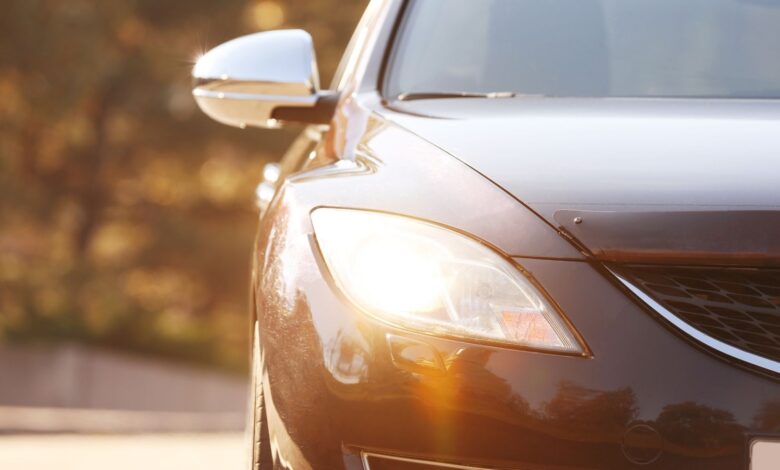
The cleanliness of headlights has a direct impact on driving safety, especially at night or in poor weather conditions. Over time, dust, road grime, and insect residue build up on the headlight surface, significantly reducing light output. Many car owners are unaware that some vehicle models are equipped with a special system designed to quickly restore headlight clarity with minimal effort.
This refers to the built-in headlight cleaning mechanism, which is activated by a dedicated button that is often difficult to notice at first glance. This feature is mostly found in mid-range and premium vehicles, but sometimes appears in more affordable models as well. The system works simply: when the button is pressed, a jet of pressurized water sprays on the headlights to wash away dirt and deposits, while special covers automatically open and close.
How the headlight cleaning system works
Depending on the make and year of the vehicle, the system can be activated in different ways. In some cases, it operates automatically when the windshield washer is turned on; in others, it is only triggered by pressing a separate button. Some modern cars are equipped with sensors that detect the level of headlight contamination and automatically activate the cleaning when necessary.
The design includes nozzles located under the headlights. When water is supplied, they extend outward, spray the liquid, and then retract back into place. This helps maintain maximum lighting efficiency even in challenging weather conditions—such as during rain, snow, or on dusty roads.
Why regular headlight cleaning matters
Dirty headlights not only spoil your car’s appearance but also significantly reduce visibility on the road. The light gets diffused, becomes dim, and oncoming drivers may not see your vehicle in time. This is especially dangerous at night or in low-visibility conditions, where every second of reaction time counts.
The Spanish Traffic Authority (DGT) reminds drivers: choosing the right lighting and maintaining its technical condition are key to everyone’s safety on the road. That’s why it’s important to not only keep the bulbs in working order, but also to regularly clean the headlights themselves.
Headlight cleaning system maintenance and possible issues
Like any other part of the car, the headlight cleaning system requires regular maintenance. First of all, you need to monitor the washer fluid level and use special formulas to prevent buildup and water from freezing. If the nozzles become clogged, they can be gently cleaned with a needle or toothpick.
It is also important to check the operation of automatic headlight covers: they should open and close smoothly, without sticking or any damage. If the mechanism malfunctions, it is recommended to contact a service center to prevent more serious problems.
Alternative methods for cleaning headlights
Not all cars are equipped with a built-in headlight cleaning system. In such cases, simple home remedies can help restore clarity even to heavily clouded headlights. One of the most popular methods is using baking soda and vinegar. Apply the mixture to the headlight surface, gently rub it with a soft cloth, and then rinse with water.
Another effective option is to use regular non-gel toothpaste. Apply it to the headlights, rub in a circular motion, and then wash it off. This method helps remove small scratches and buildup, making the plastic clearer. For a stronger effect, you can add a bit of lemon juice or use a special headlight polishing paste.
Prevention and driver tips
To keep your headlights clean for longer, it’s recommended to wash your car regularly, especially after driving on dirt roads or in rainy weather. Don’t forget to check the condition of your headlights seasonally—before winter and summer. If you notice the light is dimmer or the lenses are clouding, don’t put off cleaning them.
Car owners with headlight cleaning systems should remember to top up the fluid and regularly check that all components are in working order. If a malfunction occurs, it’s best not to try to fix the system yourself — instead, leave the repair to professionals.
If you weren’t aware, the DGT (Dirección General de Tráfico) is Spain’s main authority responsible for road safety and enforcing traffic regulations across the country. The organization regularly runs public awareness campaigns to inform drivers about vehicle maintenance and the importance of preventative care. Thanks to DGT recommendations, many motorists have become more attentive to the condition of their headlights and other lighting systems, which has had a positive impact on road safety in Spain overall.