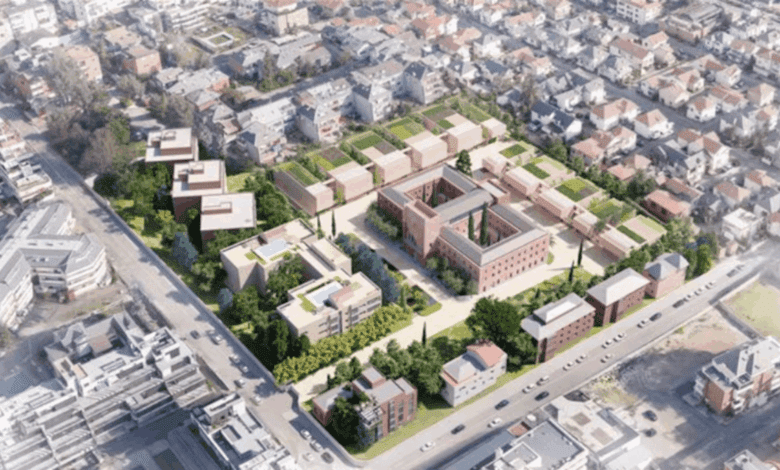
A new conflict has erupted in Madrid over the preservation of historic sites: the city authorities have approved the construction of a student residence on the grounds of a protected garden at a former monastery, despite a direct court ban. This decision could lead to the disappearance of a unique green space and change the familiar face of the Chamartín neighborhood. For the city’s residents, this is more than just a dispute over development — it’s about the future of urban parks and the approach to cultural heritage.
Court rulings and officials’ response
In 2018, the garden and buildings of the former Damas Apostólicas monastery were declared a cultural heritage site, which was supposed to ensure their protection. However, a few years later, a Madrid court ruled that the entire complex was protected, including the north and east sections of the garden. Despite this, the city council, led by José Luis Martínez-Almeida, approved an urban development plan change, paving the way for the construction of 11 new buildings and the renovation of the main structure. According to El Pais, this decision drew sharp criticism from both the opposition and civic organizations.
Background of the dispute
Plans for the development first emerged in 2017, when Global Alchiba SL began demolishing part of the monastery, despite the 1929 building being under regional protection. The work was halted only after intervention by the autonomous community authorities, and prosecutors launched an investigation. Subsequently, the entire complex was added to the list of protected sites, which seemed to put an end to the dispute. However, after another court ruling reaffirmed the need for full protection of the area, city officials found a way to bypass the ban by changing land use regulations.
Development plans and consequences
According to the approved project, the nearly 17,000-square-meter site will see the construction of 11 new buildings up to three stories high, along with a renovated main building featuring inner courtyards and common spaces. To carry out the project, more than 200 trees will have to be cut down, sparking outrage among environmental groups. Architects and activists believe the new structures will compromise the historical integrity of the complex and destroy a significant part of the city’s green spaces. Municipal officials claim the project takes preservation of the historic appearance into account, but the opposition insists that the decision serves private investors’ interests and contradicts the court verdict.
Public response and political debate
Not only environmentalists, but also all opposition parties in the city council opposed the construction. They emphasize that even before the 2023 elections, experts from the municipality itself admitted that implementing the project would be impossible without breaking the law. After the elections, the authorities changed their position and now claim that the new development supposedly does not contradict the protected status of the area. In response to protests, officials proposed greening the roofs of new buildings and making the facades more transparent to preserve the visual connection with the historic garden. However, critics consider these measures insufficient and demand a complete halt to the construction, as well as the transfer of the plot to public use.
In recent years, Spain has seen a growing number of cases where historic buildings and parks come under threat due to commercial interests. In Valencia and Barcelona, disputes over construction on protected sites have repeatedly erupted, leading to mass protests and legal battles. Such conflicts highlight how acute the issue of balancing urban development and cultural preservation has become. The decisions being made today will shape the future appearance of Spanish cities.