The authorities of the Madrid Autonomous Community have decided to introduce a temporary hunting emergency regime. The reason is the numerous incidents of wild boars appearing near populated areas and on roads, which has led to an increase in accidents and posed a threat to local residents.
According to the official decree, the new measures affect a number of municipalities, including Arganda del Rey, Rivas-Vaciamadrid, Getafe, Chinchón, Morata de Tajuña, San Fernando de Henares, Aranjuez, as well as Losoya-Navés-Sieteiglesias and Villaviciosa de Odón. Particular attention is being paid to southeastern areas and natural zones, where the wild boar population has grown significantly in recent years.
According to the regional Ministry of Environment, Agriculture, and Internal Affairs, from 2012 to 2023, the region recorded an average of 120 road accidents involving wild boars each year. Such incidents occurred most frequently in southeastern municipalities. In addition to accidents, the animals cause damage to infrastructure, parks, agricultural land, and even pose a risk to pets and people.
Authorities note that wild boars can carry dangerous diseases such as trichinellosis, brucellosis, African swine fever, and tuberculosis. These diseases threaten not only livestock, but also public health.
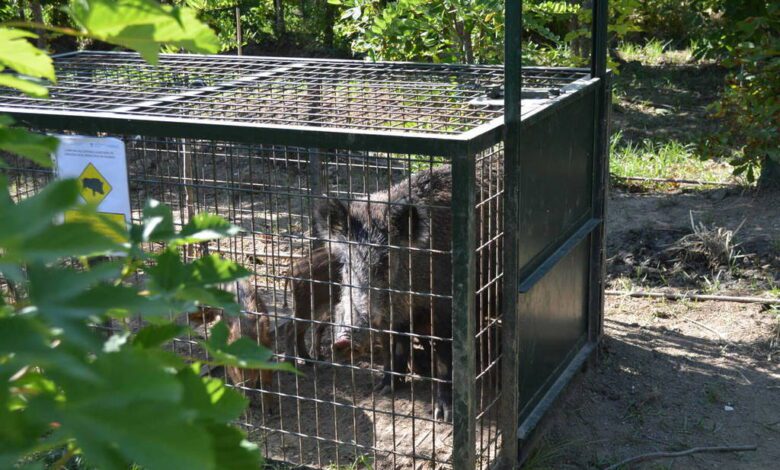
As part of emergency measures, various methods of population control are permitted: from trapping with specially designed devices and the use of tranquilizer rifles to bow hunting in urban environments. The use of thermal cameras and feeders is also allowed to increase the effectiveness of these activities. The goal is to reduce the density of the wild boar population and minimize risks to people and the environment.
During hunting season, allowed activities include group driven hunts, individual waiting hunts, and stalking, including on Fridays, Saturdays, and Sundays. Out of season, the focus shifts to protecting crops and livestock, as well as restricting supplementary feeding to prevent further population growth and the incursion of animals into populated areas.
The decree provides for a 50% increase in group hunts within affected hunting grounds, the possibility to repeat activities on the same sites during the season, and enhanced warning signage on dangerous road sections. Additional plans include installing deterrent devices on roads and improving fencing to prevent animals from entering the roadway.
The state of emergency will remain in effect until 2030 and will be part of a long-term strategy to control the wild boar population. Municipalities will receive technical support, and informational materials with guidelines on safe behavior when encountering a wild boar will be provided for residents. Authorities advise people to stay calm, not to approach the animal, seek shelter in a safe place if necessary, and to immediately report any aggressive behavior to emergency services.
Among the most affected cities are Alcalá de Henares, Getafe, Rivas-Vaciamadrid, Aranjuez, and Torrejón de Ardoz. Regional authorities emphasize that the new measures will not only improve public safety but also help restore ecological balance. The Community of Madrid has more than 13,000 active hunting licenses and about 44,000 professionals, which enables effective cooperation between the government, local administrations, and residents.