The decision by Madrid authorities to extend the operation of the Valdemingómez waste incineration plant until 2040 has come as an unexpected turn for the city’s residents. This move directly impacts the region’s environmental situation and raises concerns among those who had hoped for the facility’s imminent closure. The issue of waste management and public health has once again become a focal point.
A multi-million contract
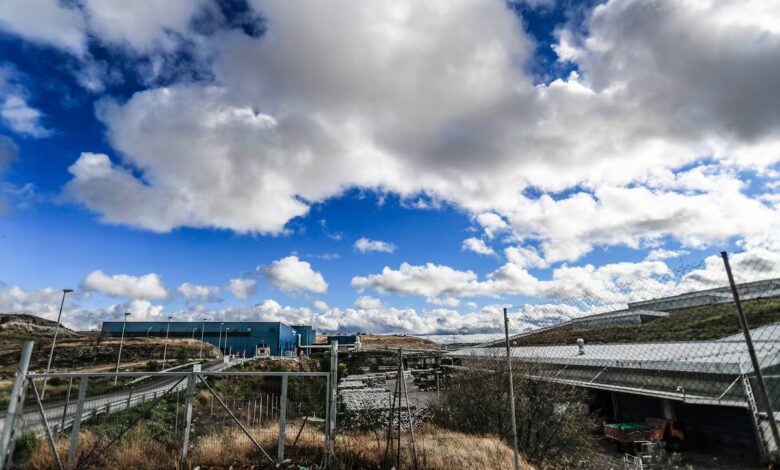
Last week, the city administration announced the launch of a large-scale tender worth 817 million euros. The new contract covers not only the continued operation of the plant but also investments of 100 million euros to upgrade its equipment. The Las Lomas plant, built in 1993, receives about 4,000 tons of waste daily from Madrid and nearby municipalities such as Rivas and Arganda.
According to the agreement, the operating company is required to invest in modernization to extend the facility’s service life by at least 15 years. The technical documentation states that after the contract ends, the plant must remain operational, which in effect paves the way for further exploitation.
Promises vs. reality
Back in January 2025, city hall officials assured that the station would close in 10 years or sooner if the amount of waste sent for disposal dropped to 10%. However, by December, the rhetoric had changed: now the facility will remain in operation as long as there is a need for it. Just two months later, authorities announced a new contract, sparking a wave of discontent among residents and environmental organizations.
According to the Federación Regional de Asociaciones Vecinales de Madrid (FRAVM), the authorities keep postponing a solution to the problem, despite repeated protests and demands to close the station. In December of last year, environmentalists and activists took to the streets for the seventh time to express their opposition to the facility’s continued operation.
Financial compensation and criticism
Under the terms of the contract, 5% of the revenue from electricity generated by incinerating waste will be allocated to the budget of Villa de Vallecas, where the station is located. This amount will be between 500,000 and 1 million euros per year—a sum that, in the opinion of local residents, fails to compensate for the health and environmental risks. The district is home to over 126,000 people, meaning even the maximum payment amounts to less than 8 euros per person annually.
Experts and activists see such payments as merely symbolic, noting that the main profits go to a private company, not the city. They emphasize that this arrangement does not address the main issue—the station’s negative impact on the environment and public health.
Environmental threats
In recent years, independent organizations have recorded alarming pollution levels near the station. In 2022, the Zero Waste movement detected dangerous levels of toxins in food and plants grown near the facility. Particularly high concentrations were found in the southwest area, where ash waste is stored.
A year earlier, the European Space Agency reported a major methane leak at the Valdemingómez landfill. Despite the city council’s attempts to downplay the issue, satellite data continued to register emissions not only at this site but also at the neighboring landfill in Pinto.
Politics and public opinion
The decision to extend the station’s operation has faced sharp criticism from community organizations and residents. Many believe the authorities are relying on an outdated and environmentally harmful waste management model. The issue of recycling and the shift toward more sustainable solutions remains unresolved.
In the context of other high-profile decisions by Spanish authorities, taken under public pressure, it is worth recalling the situation with the emergency legalization of migrants, which also sparked heated debate and was discussed in the article about the unexpected consequences for the country.
According to El Pais, despite promises and requirements set by European directives, Madrid has yet to reach the target level—currently, only 32% of waste is sent to landfill, still far from the necessary 10%. This means the prospect of closing the facility by 2035 is becoming increasingly unlikely.
In recent years, Spain has repeatedly seen debates over major infrastructure projects that impact the environment and quality of life. For example, in Catalonia and Andalusia, residents have opposed the expansion of industrial zones and the construction of new waste processing facilities. In 2024, Valencia discussed a project to modernize an old plant, sparking protests over potential air pollution. Such situations highlight how environmental and public health issues are growing in importance for Spanish society, often fueling intense debates and demanding more transparency in government decisions.