Madrid has once again changed the rules for owners of older vehicles. The city administration has decided to extend until December 31, 2026, the exemption that allows cars without environmental stickers, registered in the capital, to move freely around the streets. This decision was made after analyzing the impact of such vehicles on the urban environment and traffic.
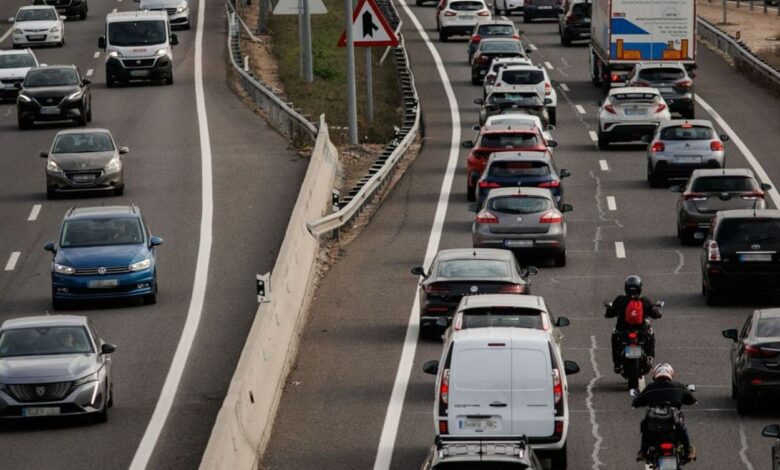
According to municipal estimates, this concerns about 14,000–15,000 vehicles, which will continue to be allowed to drive freely in Madrid despite not having an eco-sticker. Authorities insist that these cars have virtually no impact on air quality and do not create additional traffic problems. The city sees around 4.8 million entries daily, and such vehicles make up only a tiny fraction of overall traffic.
Reasons for the decision
At a press conference following the city government meeting, Borja Carabante, the representative for urban planning, environment, and transport, stressed that the extension is due to the need to take into account not only environmental but also social considerations. He stated that the new version of Madrid’s traffic regulations aims to avoid causing major inconvenience to residents, maintaining a balance between environmental protection and the day-to-day needs of citizens.
Authorities also reminded the public that they continue to provide subsidies for fleet renewal. The total aid has already reached 111 million euros—these funds are allocated for replacing old vehicles with newer and more eco-friendly models. According to the administration, this approach promotes a natural reduction in the number of polluting cars, eliminating the need for strict bans.
History of the restrictions
The system restricting entry into Madrid for cars without an environmental label has been in place since 2022, but is being rolled out in stages. Already, vehicles not registered in the capital and lacking an eco-sticker face fines of 200 euros for attempting to enter the city. Local residents had a grace period, which has now been extended for another year.
Initially, it was planned that from January 1, 2024, all of Madrid would become a restricted zone for such vehicles. However, in practice, there was first a warning period without fines. From January 2025, the restrictions were meant to take full effect, but an exception was made for vehicles registered in the city—they were permitted to circulate until the end of 2025. This deadline has now been pushed back another year.
It is worth noting that even with the extension, the entry ban for cars without an eco-sticker still applies in specially protected areas—these are the Madrid Central and Plaza Elíptica districts. In these zones, such vehicles are banned for everyone, regardless of registration.
Response and criticism
The city authorities’ decision has faced strong criticism from the opposition. Representatives of the Más Madrid party called the extension of the moratorium a step backward in the fight for clean air. In their view, the administration of Mayor José Luis Martínez-Almeida is ignoring environmental issues and making concessions to serve the interests of a small group of motorists.
The opposition argues that allowing 0.05% of the population to drive freely has a negative impact on the health of all city residents. They also point to inadequate attention to ozone air pollution, which remains a pressing issue for Madrid.
Authorities, in turn, insist that the decision will not worsen the environmental situation, and that a gradual transition to stricter regulations will help avoid abrupt changes for city residents. Nevertheless, the debate over balancing motorists’ interests with the need to improve air quality in the capital continues.