Catalonia’s railway network is once again at the center of Spain’s political scene. Following a series of incidents on the Rodalies line, including a high-profile event in Gelida, the Sumar party has issued an ultimatum: their support for the state budget comes only if a dedicated investment program is established for Catalonia’s commuter trains. Their demands include setting up a separate technical maintenance body that answers exclusively to the Generalitat de Catalunya, as well as creating an independent group to oversee the use of funds.
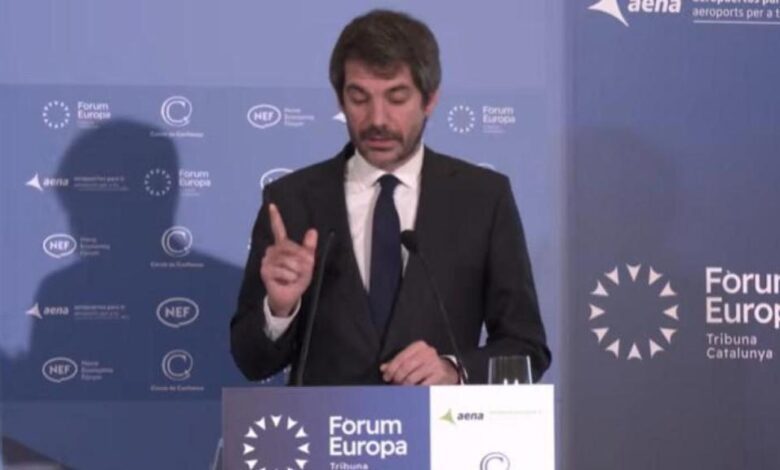
Ernest Urtasun, Minister of Culture and official Sumar spokesperson, insists on accelerating the transfer of Rodalies management to regional authorities. According to him, only this can ensure quality service and a prompt response to issues that, he argues, have been neglected for too long at the national level. Meanwhile, Madrid is hesitant to make concessions, wary of setting a precedent for other regions.
Sumar’s Demands
Unlike other parties, Sumar does not demand similar measures for the entire national rail network, despite the tragedy in Adamuz (Adamuz, Córdoba), where dozens of people died in an accident. Enrique Santiago, a representative of the united left coalition, notes that Spain significantly lags behind other European countries in terms of investment in maintaining railway infrastructure. However, in his view, suburban and regional routes should remain the priority, rather than large-scale projects across the country.
Sumar emphasizes that the situation with Rodalies in Catalonia requires immediate attention. In the week following the accident, passengers faced widespread disruptions, canceled trains, and chaos at stations. Urtasun describes what is happening as a ‘reverse lottery’ for residents of the region, where daily commutes become a test of endurance.
Catalan focus
The plan Sumar insists on adopting envisages not only technical upgrades but also adapting the infrastructure to new climate challenges. In particular, it includes modernizing certain sections and strengthening track monitoring. The party is convinced that only regional management can respond swiftly to emerging problems and prevent new incidents.
At the same time, Minister of Transport Óscar Puente maintains a tough stance. He considers a full transfer of Rodalies to the Generalitat impossible, as a significant part of the network is of national importance and serves not only Catalans but also residents of other regions. This conflict of interests only heightens the tension between Barcelona and Madrid.
Reaction and consequences
The question of possible resignations after a series of incidents remains open. Urtasun emphasizes that the priority should be addressing the causes of the disruptions rather than seeking someone to blame. Nevertheless, various scenarios are being discussed behind the scenes in the government, including personnel changes in transport agencies.
Proponents of transferring authority to the Generalitat point out that investment in Rodalies has indeed increased in recent years, but there are questions about how effectively these funds are being used. According to experts, the main problem is not the size of the funding, but its targeted allocation and oversight of the work.
Spanish context
The situation around Rodalies has become a litmus test for the country’s entire transport system. While Catalonia is demanding a special approach, other regions are closely watching the developments, fearing that such preferences could trigger a chain reaction of demands across Spain. The issue of fair budget allocation has once again come to the forefront.
Meanwhile, Rodalies passengers continue to experience disruptions as the political battles over the railways intensify. In the coming weeks, it will become clear whether the government is prepared to make concessions to maintain its parliamentary majority, or if the conflict will escalate into a new round of confrontation between the central government and the regions.