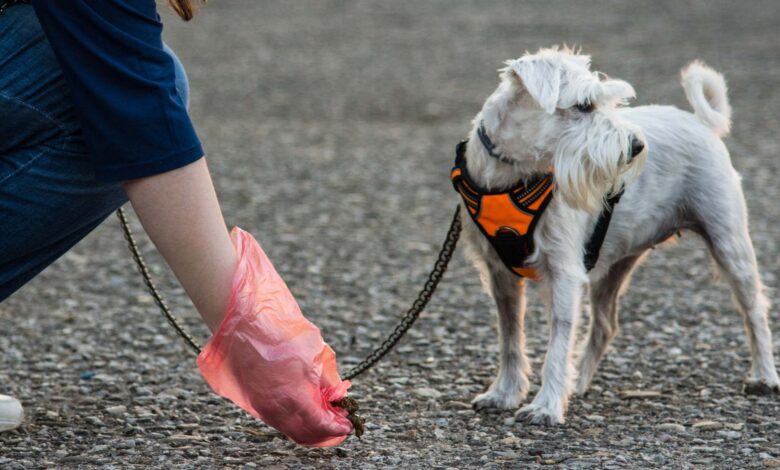
Dog owners in the Madrid municipality of Tres Cantos are facing a new reality: hefty fines await those who leave dog waste on the streets, and there is almost no way to avoid responsibility. Local authorities have introduced an innovative system that identifies careless owners through the DNA of their pets. This approach has already yielded results—several residents have received official notices of fines, which can be as high as €600.
The system is straightforward yet effective. On random days, lab workers accompanied by police officers patrol the streets of Tres Cantos. Their job is to find any uncollected dog waste and take samples for analysis. These are then matched with a DNA database, which all dog owners in the municipality are required to register with. If a match is found, the owner receives a fine. The minimum penalty is €300, rising to €600 for repeated offenses.
Cleanliness under control
Tres Cantos officials openly state that their main goal is to make the city cleaner and more pleasant to live in. According to municipal representatives, residents had long complained about dirty sidewalks and parks. Now that every dog owner knows they can be identified through DNA, the situation on the streets has changed noticeably. Many are taking their responsibilities more seriously, and the number of complaints has gone down.
The official regulations of the municipality clearly state that every owner is required to clean up after their pet not only on sidewalks, but also in parks, squares, and other public spaces. Violating this rule is now not just unpleasant for others, but also comes with a hefty fine.
Technology targets irresponsibility
Using DNA identification of animals to tackle street pollution is a new approach for Spain. Tres Cantos became the first city in the region to put this system into practice. To register in the database, owners must provide a saliva sample from their pet to a specialized laboratory. The procedure is mandatory for anyone who wants to walk their dog within the municipality.
Interestingly, similar measures are being discussed in other Spanish cities, but so far only Tres Cantos has taken such a bold step. Authorities are confident that only strict control and the certainty of punishment can change how people treat the cleanliness of public spaces.
Residents’ reactions
Residents of Tres Cantos are divided: some believe these measures were long overdue and will make the city more comfortable for everyone. Others are outraged, saying the system is too harsh and the fines excessive. However, most acknowledge that the streets have indeed become cleaner, and walks with children and pets are now more pleasant and safer.
Some dog owners complain about extra costs and bureaucracy associated with DNA registration. But even they admit that ignoring the rules has become too risky. Meanwhile, there are those who try to circumvent the system; however, police and lab specialists regularly carry out inspections to prevent violations.
The Future of City Streets
Introducing DNA monitoring to keep the streets of Tres Cantos clean could set a precedent for other municipalities in Spain. There are already discussions about expanding the database and implementing similar systems in neighboring cities. Authorities are confident that only modern technology can solve a problem that neither warnings nor traditional fines could address.
For now, Tres Cantos remains the only place in Madrid where you can be fined for failing to pick up after your dog, even if no one witnessed the offense. And all signs point to the experiment’s success: the streets are noticeably cleaner, and residents have become more responsible. The only question is how soon this practice will spread nationwide.