In the north of Madrid, amid construction cranes and sports arenas, stands the gleaming white complex of the Enfermera Isabel Zendal Hospital. Here, surrounded by silence and the occasional passerby, life pulses with hope and determination. Within these walls, Spain launched a unique project—the country’s first public voice bank for people with amyotrophic lateral sclerosis (ALS).
Patients facing this diagnosis know that losing their voice is more than just a medical issue. It’s a blow to self-perception, to connections with loved ones, to their very identity. Now, they have a chance to preserve not only memories but also their true voice—with all its intonations, emotions, and individuality.
The voice as part of identity
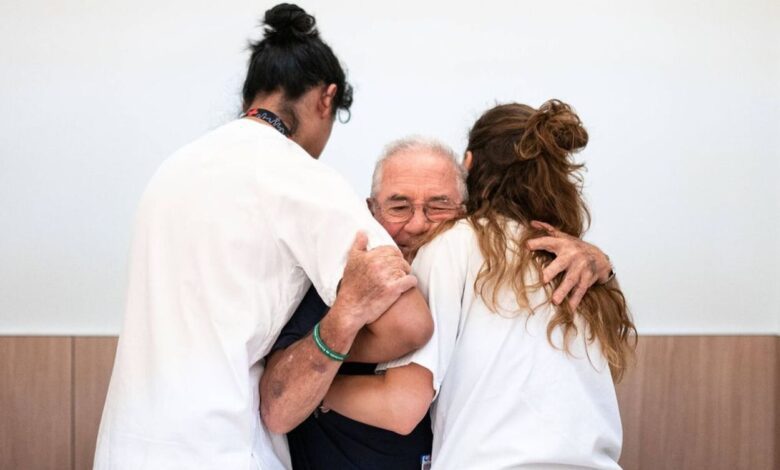
Inside the hospital, the atmosphere contrasts sharply with the chill outside. Wooden panels, green corners, and the staff’s warm smiles create a feeling of comfort and support. Every day, dozens of ALS patients gather here, including 75-year-old José Miguel. Despite years of battling the disease, he can still speak. But most of his fellow sufferers have already lost this ability.
When he was invited to take part in the pilot project to preserve his voice, he didn’t hesitate for a second. For José Miguel, this is more than just a technological innovation—it’s a way to help others and keep his own connection to the world. His wife Macarena stands by his side, noting that such initiatives bring hope to patients and their families alike.
Technology and emotion
The process of creating a voice archive begins with a speech therapist consultation. Not all patients retain the clarity needed for recording, and some may not be psychologically ready to take this step. But for those who decide to proceed, specialists select specific phrases to capture every nuance and intonation—from interrogative to exclamatory, from joyful to contemplative.
The recorded voice becomes part of the patient’s medical record. It’s not just a file—it’s a guarantee that even after losing the ability to speak, a person can still communicate with loved ones using their real voice, not a faceless synthetic one. For many, it’s a matter of dignity and personal freedom.
Impact on families
Currently, more than 50 out of 111 patients at the center are already participating in the project. Up to 200 voices can be recorded here each year. The next step is to integrate these recordings into communication systems used by patients. There are plans to expand this technology to all public hospitals in Madrid, and later to other medical fields where patients risk losing their voice, such as oncology or neurology.
For relatives, this is a tremendous source of support as well. Hearing a loved one’s real voice, not an impersonal electronic one, offers a fundamentally different level of emotional connection. According to patients, even family pets recognize their owners by their real voice. For children who might lose the chance to hear their mother or father, this is especially important.
Breaking barriers
Loss of voice is often the most difficult challenge for ALS patients. It’s not only a physical barrier but a psychological one as well. The ability to preserve one’s own speech helps make this stage less painful, allowing people to retain a sense of self. Speech therapists note that patients who have recorded their voice adapt more easily to changes and maintain a positive outlook for longer.
At Zendal Hospital, they care not only about patients but also about their families. Here, relatives can rest, receive support, and connect with others facing similar challenges. Still, families and charities continue to insist: government support is needed so that such projects become the norm, not the exception.
Looking to the future
While Madrid authorities are just beginning to implement the technology in other hospitals, patients and their families are already feeling the difference. For many, this is more than just an innovation—it’s a real chance to preserve their individuality and maintain connection with the world. The only question is how quickly and widely such solutions will become available to everyone who needs them.