In 2026, Madrid once again finds itself in the spotlight thanks to the grand celebration of the Chinese New Year. For the capital, this is more than just a colorful festival; it marks a significant moment when the city’s daily rhythm transforms. The festival’s influence is felt not only in Usera—the district home to the largest Chinese community—but throughout the entire city: transportation, leisure activities, and even work schedules adapt to the events that attract thousands of locals and visitors.
The celebration of the Year of the Horse according to the lunar calendar kicks off on February 17 and runs through March 3, spanning several weeks. During this period, Madrid becomes a stage for unique cultural experiments: traditional parades, Buddhist rituals, street markets, and craft workshops take turns, creating an atmosphere where Spanish and Asian traditions blend together. Special attention is paid to the weekends, when Usera transforms into a backdrop for the most vivid events—from dance shows to spectacular fireworks.
Calendar of changes
In 2026, the holiday program stands out for its record duration: the official days off stretch from February 15 to 23, and working days are shifted to give residents more time to take part in events. This approach has already sparked discussion among employers and employees, as rescheduling workdays to Saturdays or Sundays raises debates about balancing work and leisure. Still, for many, it’s a chance to immerse themselves in the festive atmosphere without the fear of missing important events.
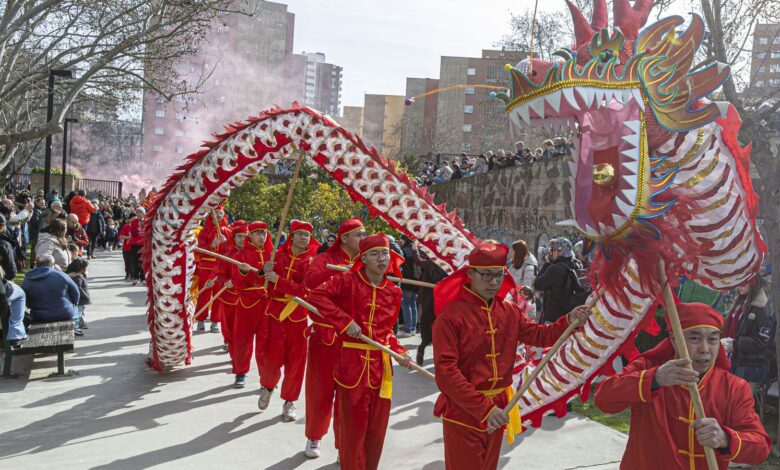
In Usera, where most of the celebrations traditionally take place, an especially packed program is expected this year. The Year of the Horse will be officially opened on February 20 at the municipal square, and the very next day will see the start of dance performances, concerts, and the famous Lion and Dragon Dance. On the evening of February 21, fireworks will light up the neighborhood sky, and on February 22, the streets will be filled with participants and spectators for the grand parade in Pradolongo.
Cultural exchange
The festival in Madrid has long outgrown its ethnic roots and become one of the city’s major winter events. This year, organizers are focusing on integration: the program now includes children’s workshops, food fairs, and joint projects with Spanish artists. The attention to detail and desire to surprise the public are evident in everything—from street decorations to the musical accompaniment of the parades.
Interestingly, such cultural experiments are already changing the way winter holidays are perceived in Spain. For instance, last February, Madrid, Barcelona, and Sevilla surprised residents with the scale and new formats of events, as detailed in the article about unexpected winter events in the country’s largest cities. This experience shows that Spanish cities are ready for bold experiments and open to new traditions.
Tradition and modernity
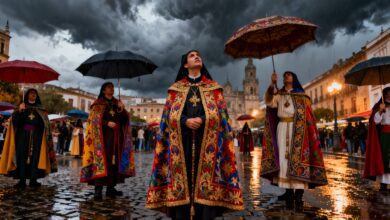
Buddhist ceremonies and traditional Chinese rituals held in temples and public spaces remain an important part of the celebration. At the same time, modern elements—concerts, exhibitions, and street installations—make the holiday appealing to a wider audience. This year, special attention is being paid to safety: a large number of guests are expected, and city services are preparing additional measures in advance to ensure public order and manage traffic.
Celebrating Chinese New Year in Madrid is not only an opportunity to experience another culture, but also a chance to see how traditions can transform in a big city. Every year, organizers aim to surprise the public with new formats, and the capital’s residents are increasingly participating in events that until recently seemed exotic.
Chinese New Year is the largest holiday on the lunar calendar, celebrated by millions of people worldwide. In recent years, its festivities in Spain have grown considerably: parades, concerts, and gastronomic festivals are held in Madrid, Barcelona, and Valencia. In 2025, for instance, the capital hosted its first nighttime parade featuring local and Chinese performers, while in 2024, collaborative projects with Spanish schools drew attention. Such events not only strengthen intercultural ties but also make winter in Spain brighter and more vibrant.