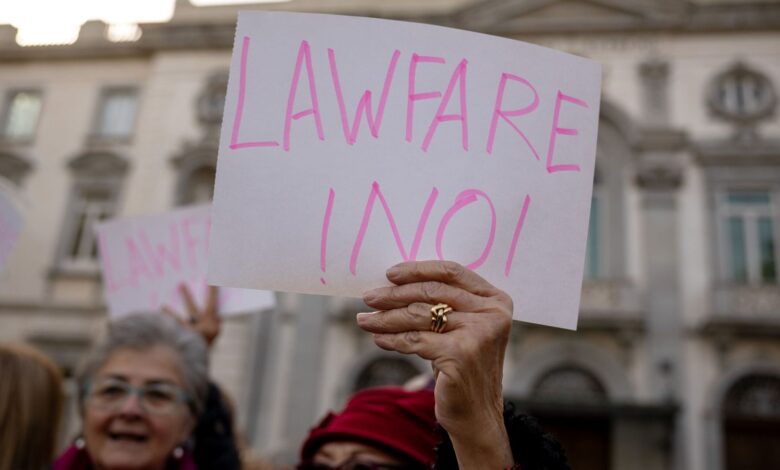
On Sunday, hundreds of people gathered in central Madrid outside the Supreme Court (Tribunal Supremo) building to protest the recent decision in the case of Spain’s Attorney General Álvaro García Ortiz. The demonstration was organized by various civic and union groups, with notable figures from the legal community also joining the protest.
The uproar was sparked by a court-imposed sanction handed down just days earlier: a two-year suspension from office and a €7,200 fine. García Ortiz was found guilty of disclosing confidential information related to a tax evasion case involving the partner of Madrid’s regional president, Isabel Díaz Ayuso.
Charges and public reaction
The court’s decision provoked a strong response from citizens and different activist groups. Protesters chanted slogans, accusing the judges of political bias and demanding greater transparency within the judiciary. Many believe that the case against the Attorney General was driven more by political interests than by actual legal violations.
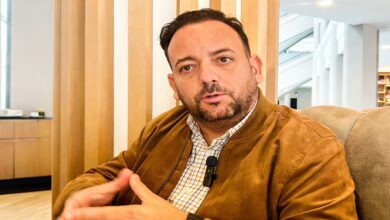
Among the crowd was former National Court (Audiencia Nacional) judge Baltasar Garzón, who had himself previously been disbarred by the same Supreme Court. He stated that the sentence was unfair and prematurely disclosed, further undermining public trust in judicial institutions.
Case details and the protesters’ stance
The charge against García Ortiz centered on allegedly leaking email correspondence that referenced a case of tax fraud. This episode triggered a court case, which ultimately led to a severe penalty for one of the country’s top prosecutors.
Protesters argue that the court’s decision was rushed and the trial itself lacked transparency. In their view, not all evidence that could exonerate the defendant was properly considered. During the rally, activists read out a manifesto expressing concern over the violation of the presumption of innocence and possible political pressure being exerted on the court.
Political context and public reaction
The verdict against García Ortiz sparked widespread public reaction. Criticism of the judicial system came not only from ordinary citizens, but also from political parties and public figures. Many see this case as an attempt to use the courts for political ends, raising concerns about the state of democracy in the country.
In certain regions, such as Santiago de Compostela, spontaneous rallies of support also took place. People expressed solidarity with the Attorney General and demanded a review of the case. Speakers voiced concerns that such decisions could undermine trust in judicial institutions and set a dangerous precedent for future legal proceedings.
Expectations and future developments
Although the final text of the court’s decision has yet to be published, the Supreme Court has already announced the sentence. This has fueled further discontent among protesters, who believe that such actions violate the rights of the accused and undermine the foundations of a fair trial.
There is a growing public demand for judicial reform and ensuring the system’s independence from political influence. Many of the demonstrators believe that only openness and integrity in the courts can restore citizens’ confidence in justice. For now, the García Ortiz case remains in the spotlight, and the protests are gaining momentum.