The events of October 29, 2024, in Valencia remain a subject of heated debate among local residents. On that day, when a devastating disaster struck the city, the mass alert system was activated too late. According to the judge, it was the delay in sending the emergency notification that may have led to the deaths of dozens of people. New details revealed in court cast doubt on the official explanations for the authorities’ actions and raise questions about how decisions are made in critical situations.
Timeline of the day of the tragedy
The driver who accompanied the former president of the Valencian Community government, Carlos Mazón, on the day of the catastrophe, testified in court. He said that the emergency alert reached their mobile phones while they were right in the center of Valencia. According to him, after Mazón was picked up from the government building, they went to collect the press secretary at Torres de Serrano. It was at that moment that the ES-Alert notification was received on their phones, warning of the scale of the disaster.
The driver clarified that on that day he was called to drive to the crisis management center (Cecopi) at around 7:00 p.m. Before that, Mazón attended several official events and had lunch with journalist Maribel Vilaplana at El Ventorro restaurant. According to Mazón’s own account, he arrived at the government building at 5:00 p.m. and monitored the work of the crisis task force. However, testimonies from the driver and other escorts contradict this version.
Inconsistencies in the testimonies
Judge Nuria Ruiz Tobarra, who is leading the investigation, believes the mass alert was sent out too late—at 20:11, when most of the missing could no longer be saved. The driver also noted that in the morning they left Mazón’s home at 8:40 and attended three official events afterwards. Throughout the day, he said, there was no discussion about an emergency. He stressed that he was focused on the road and was unaware of any calls Mazón might have made.
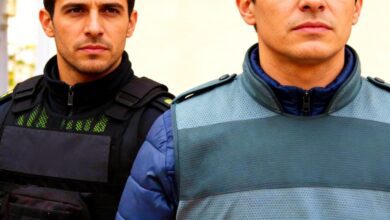
The driver’s testimony matched information provided earlier by three security guards who accompanied Mazón on the day of the tragedy. They stated that the former regional head arrived at the government building only at 19:50, not at 17:00 as the politician himself had claimed. This completely changes the sequence of events and raises questions about how the leadership coordinated their actions at such a critical moment.
The role of the alert and its consequences
The decision to send out the emergency alarm was made at the crisis center about an hour after the driver had been ordered to take Mazón to Cecopi. By that time, according to the judge, most victims could no longer be saved. As El Pais reports, the delay in giving the alert became one of the key reasons for such a high number of casualties.
The actions of the authorities on the day of the tragedy had been questioned before. For example, in a report about why Mazón had no security at the time of the disaster details of how officials carry out their duties in emergencies were also discussed. These reports indicate that public distrust of the official narrative continues to grow.
Context and similar incidents
In recent years, Spain has experienced several cases where emergency alert systems were triggered too late. In 2023, a similar issue occurred in Murcia, where residents received flood warnings only after the streets had already been inundated. In Catalonia in 2022, a mass alert also arrived too late, prompting a wave of criticism against local authorities. These incidents highlight the importance of timely public information and the need to review disaster response protocols.