In the heart of La Rioja, at the foot of the rugged Sierra de la Demanda, lies a tiny town seemingly untouched by time. Here, among dense forests and rocky slopes, just a few hundred residents preserve the memory of the birthplace of the Spanish language and two monasteries that changed the course of Iberian history. This place is more than just a tourist destination—it feels like a portal to an era when words were just coming together to form a new language, and monastery walls became strongholds of culture and faith.
San Millán de la Cogolla—a name rarely found in travel guides, yet for history enthusiasts it means far more than just another point on the map. In the quiet of this valley, not only ancient manuscripts have been preserved, but also the spirit of those who once penned the first lines in the Romance language. Locals are convinced their town is truly the cradle of the Castilian dialect, though debates about this have never fully ceased.
Monasteries and language
San Millán’s greatest pride lies in its two monasteries, both recognized as UNESCO World Heritage Sites. The oldest, Suso, dates back to the 6th century. Its walls have witnessed hermits, pilgrims, and scholars, and, according to legend, Saint Millán—the town’s namesake—once lived in one of its caves. The monastery’s architecture is a unique blend of Visigothic, Mozarabic, and Romanesque styles, making it a true textbook of art history.
Within these walls, the renowned Emilian Glosses were written—texts considered among the earliest written records of the Spanish language. It was here, amid the monastic scriptoria, that a new language began to take shape, one that would later become the foundation for millions of people around the world. While other cities also claim to be the birthplace of Castilian, San Millán is in no hurry to relinquish its status.
Architectural treasures
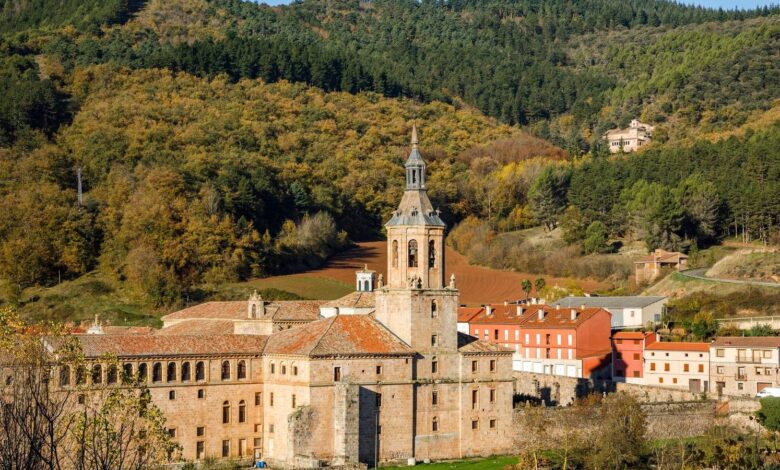
A little further down the hill rises the second monastery, Yuso, often called the “Escorial of La Rioja.” Its grand façades are striking, while the interior halls house masterpieces ranging from baroque frescoes to intricate altarpieces. Here you’ll also find reliquaries containing the remains of Saints Millán and Felices, as well as unique archives dedicated to the study of the Spanish language.
Yuso is more than just an open-air museum. It is a living center that hosts conferences, exhibitions, and academic symposia. Visitors can not only admire its architecture but also feel part of a living history that has continued for fifteen centuries. The grandeur and quiet of these places leave a lasting impression even on the most seasoned travelers.
The spirit of the Middle Ages
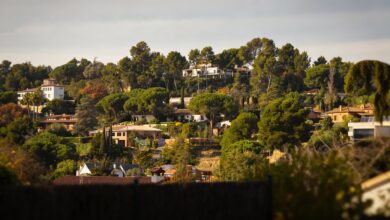
The town is divided into four small districts: Barrionuevo, Santurde, Prestínio, and Lugar-del-Río. Each has preserved the features of medieval urban planning—narrow lanes, stone houses, and old wells. There is no bustle of large cities here, but you get the feeling that time has stood still. Locals proudly share traditions passed down from generation to generation.
In San Millán, you can do more than just touch history—you can also enjoy nature. The surrounding area is crisscrossed with hiking trails, and the viewpoints offer vistas of the Cárdenas Valley, where oak groves alternate with beech forests. Outdoor enthusiasts will appreciate the GR-93 routes, which are suitable for both beginners and experienced hikers.
The Flavors of La Rioja
After a long walk, it’s especially pleasant to stop by one of the local restaurants. Here you’ll find dishes that are signature to the region: patatas a la riojana, roast lamb, and homemade sausages. All of this is paired with a glass of wine—La Rioja is, after all, one of Spain’s most renowned wine regions. Some restaurants are located in former pilgrims’ hospitals, giving each meal a special charm.
Gastronomy here is more than just food—it’s part of the cultural heritage. Local chefs carefully preserve recipes and source their ingredients from neighboring farmers. Even the most discerning gourmand will discover something new here. And after dinner, you can stroll through the evening streets, where the air is filled with the aromas of vineyards and fresh pastries.
How to get there
Despite its seclusion, San Millán de la Cogolla is easily accessible to travelers. From Logroño, it’s just a 47-minute drive via the A-12 and LR-205 highways. The journey from Zaragoza takes just over two hours, and from Madrid—about four. For those who prefer public transport, there’s a convenient option: take a train to Logroño, then bus line VLR 108, which goes straight to the monasteries.
A trip here is more than just a change of scenery—it’s a true immersion in the atmosphere of the past. Even a short visit leaves you feeling as if you’ve witnessed something truly significant. It’s no wonder people return again and again, discovering new facets of this remarkable corner of Spain.
If you didn’t know, San Millán de la Cogolla is not only a historic center, but also a place where annual festivals dedicated to Spanish language and culture are held. The Suso and Yuso monasteries are open to visitors year-round, and local guides offer tours in several languages. The town has been on the UNESCO World Heritage List since 1997 and is considered one of the key cultural tourism destinations in La Rioja. There’s also a research center here focused on the history of the Spanish language and manuscripts.