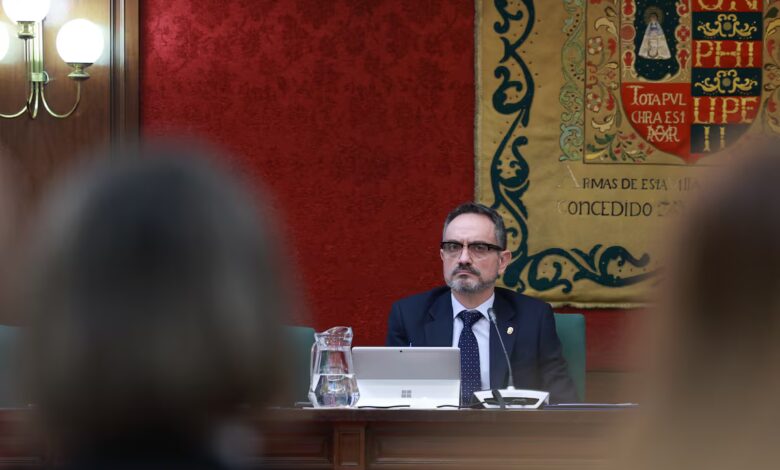
The scandal over allegations of harassment and workplace pressure in Móstoles has become one of the most talked-about topics in the region. The city authorities’ decision not to conduct an internal investigation into Mayor Manuel Bautista has sparked a wave of criticism and raised questions about the transparency of the municipality. For city residents, this means questions about the leadership’s conduct remain unanswered, and trust in local government could be at risk.
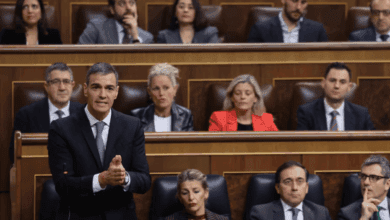
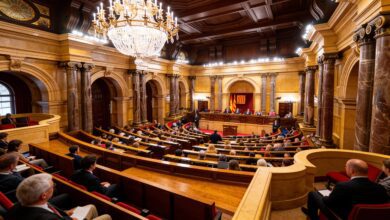
At the latest city council meeting, the proposal to set up a special commission to investigate the accusations was rejected. Vox representatives, the ruling Partido Popular, and an independent councilor voted against it. As reported by El Pais, the initiative came from the socialists, who insisted on full transparency and clarification of all circumstances of the case. In their opinion, the situation requires not only a legal but also a political assessment, to dispel any doubts about the integrity of municipal structures.
Reasons for the rejection
Vox explained its position by stating that such cases should be investigated exclusively within the judicial system, without political interference. Party representatives emphasized their support for the separation of powers and argued that it was unnecessary to form additional commissions. Although according to the regulations, the initiative of a quarter of the councilors is sufficient to launch an investigation, the majority in the council opposed it.
Socialists, along with representatives from Podemos and Más Madrid, supported the commission’s initiative, believing that only an open discussion and gathering of testimony could help restore public trust in the authorities. They emphasized that this was not about replacing the courts, but about political accountability and the need to provide society with answers to pressing questions. However, their arguments did not convince their opponents.
Accusations and atmosphere
At the center of the scandal were accusations made by a former representative of the Partido Popular against the mayor and several of his associates. According to El Pais, the issues involve systematic insults, threats, and creating an atmosphere of fear within the municipal building. Such conduct is reportedly incompatible with democratic principles and undermines the foundations of ethics in public service.
Mayor Manuel Bautista denied all accusations and announced his intention to defend his reputation in court. During an extraordinary council meeting, where most groups demanded his resignation, he refused to discuss the case details or comment on the party’s decision to abandon an internal investigation. This stance sparked dissatisfaction among the opposition and some members of the public.
The role of commissions
In Spain, investigative commissions in municipalities are used to oversee authorities and increase transparency. They can request documents, summon witnesses, and analyze the circumstances of disputed situations. While their conclusions have no legal force, they often lead to the transfer of materials to the relevant authorities.
In this case, the refusal to create a commission means that the city administration will not conduct its own investigation into the allegations, shifting the entire focus to the courts. This decision has already raised concerns that similar situations may recur if clear internal control mechanisms are not established.
In recent years, Spain has seen several high-profile cases involving accusations of harassment and abuse among officials. For example, in 2024, similar investigations were conducted in several cities across the country, with commissions helping to uncover violations and prompting the resignation of senior figures. However, such bodies are not always established, and much depends on the political will of the majority in local councils. These cases highlight the need for transparency and accountability across all levels of government.