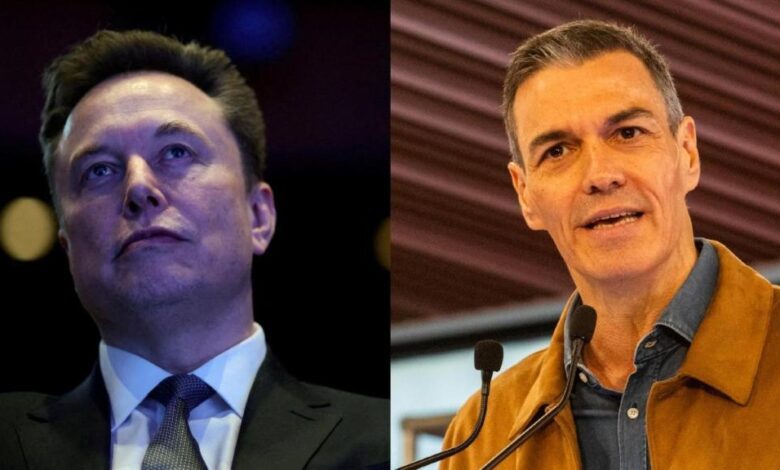
A sharp tightening of control over digital platforms and new restrictions for teenagers have sparked a fierce debate in Spanish society. Authorities announced plans to ban access to social networks for anyone under 16, as well as to increase the responsibility of internet company executives for violations. These measures directly affect millions of families and businesses, and also raise questions about freedom of communication in the digital environment.
The reaction was swift: Elon Musk, owner of some of the world’s largest tech companies, publicly accused Spain’s Prime Minister of authoritarianism and betraying the interests of citizens. His statements came amid existing tensions between the government and international digital giants, who fear new restrictions and possible investigations.
Political conflict
The situation escalated after Spanish authorities announced plans not only to restrict minors’ access to social networks, but also to introduce criminal liability for algorithm manipulation and the distribution of illegal content. Among the platforms that may draw close attention from prosecutors are Grok, TikTok, and Instagram. The leaders of these services now risk facing real sanctions for any violations.
At the same time, the government launched a large-scale legalization initiative for approximately 500,000 migrants living in the country without documentation. This decision sparked a wave of criticism both domestically and abroad. Musk, known for his outspoken statements, did not miss the chance to once again speak out against the Spanish authorities, accusing them of attempting to alter the country’s demographic and political balance.
Responses and accusations
In response to Musk’s accusations, Spanish government officials emphasized that the new measures are aimed at protecting children and combating disinformation. The Prime Minister noted that digital platforms wield enormous power and often disregard local laws, necessitating decisive government action. He also reminded that legalizing migrants does not grant them automatic voting rights in national elections, but only provides basic rights and an opportunity for integration.
Politicians from other parties also actively joined the discussion. Podemos MEP Irene Montero supported the initiative to legalize migrants and spoke out against conspiracy theories promoted by opposition figures and Musk himself. Her speech triggered a fresh wave of criticism from the entrepreneur, who accused Montero of radicalism and even of calling for ‘genocide’ against political opponents.
Migration and elections
Particular attention was drawn to the topic of potentially granting migrants the right to vote. Rumors spread on social media claiming that mass legalization is being conducted to influence upcoming elections. However, authorities denied these claims, explaining that only citizens of EU countries and some nations with bilateral agreements can participate in local and European elections. For most new residents, such rights are currently unavailable.
Nevertheless, the debate on this topic continues. The opposition and part of the public fear that changes to the law could lead to long-term consequences for the country’s political system. Meanwhile, supporters of the reforms insist on the need for integration and the protection of the rights of everyone who lives and works in Spain.
Platform oversight
The Spanish authorities intend not only to limit teenagers’ access to social networks but also to step up monitoring of the platforms themselves. New regulations are expected to be introduced soon, requiring companies to more strictly control content and algorithms. Serious penalties are foreseen for violations, including criminal liability for company executives.
These measures have already raised concerns among tech sector representatives, who fear increased pressure and possible business restrictions. At the same time, many parents and educators support the initiative, seeing it as necessary to protect children from the harmful effects of the Internet.
Reference context
In recent years, Spain has repeatedly become the stage for heated debates over digital platform regulation and migration policies. Similar initiatives to restrict minors’ access to social networks have been discussed in other European countries, but this is the first time such large-scale measures are being implemented. Issues surrounding the legalization of migrants and their participation in public life are also contentious, especially amid rising populist sentiment and concerns over national identity. In the past, similar decisions have led to mass protests and legal disputes, as well as revisions to certain legislative provisions.
Earlier, our coverage offered a detailed look at Elon Musk’s response to Irene Montero’s statements on migration and voting rights. In the article “Scandal over Irene Montero’s statement: Elon Musk’s reaction” it was reported how his comments sparked widespread discussion in Spanish society, bringing the issues of national identity and voting rights into the spotlight.