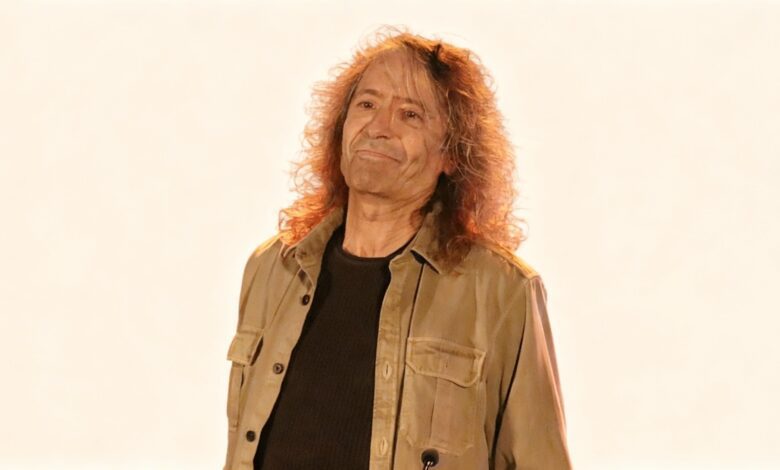
The court ruling in Navarra has become a significant event for Spain’s music industry. For the first time in recent years, a major promoter has been held responsible for the cancellation of a large-scale tour. For fans of Extremoduro and everyone following the development of the concert market, this verdict signals new ground rules and potential changes in how events are organized.
The legal dispute between Roberto Iniesta and Live Nation España lasted nearly three years. The conflict arose due to the cancellation of Extremoduro’s farewell tour, which was planned to take place across Spanish cities. According to RUSSPAIN, the decision handed down on March 11, 2026, fully supported the musician’s position and confirmed that the promoter was, in fact, responsible for the concerts being called off. Live Nation’s appeal was rejected, and the lower court’s verdict was upheld.
Industry implications
This decision could set a precedent for other artists and organizers. Promoters will now have to adhere more strictly to their contractual commitments. In case of disputes, courts may refer to this case as an example where the artist’s interests were protected. For the market, this signals increased oversight and greater transparency in relationships between musicians and concert organizers.
The claim amount, exceeding four million euros, highlights the scale of financial risks associated with canceling major events. For Live Nation España, this ruling represented not only a financial setback, but also a signal to other market players on the importance of honoring agreements. As RUSSPAIN notes, such cases could shift the balance of power in the industry and influence promoters’ strategies in the future.
Participant reactions
Extremoduro fans welcomed the news of Roberto Iniesta’s victory with enthusiasm. For many, it confirmed that artists’ rights could be protected even against large corporations. Within the music industry, there are discussions on whether this case will lead to an increase in lawsuits between musicians and promoters, as well as changes to standard contract terms.
Meanwhile, industry representatives note that the cancellation of the Extremoduro tour has become one of the most talked-about events in recent years. It exposed weaknesses in concert organization and demonstrated how crucial it is to clearly set out the terms of collaboration. For many market participants, this lesson may influence their future decisions.
Context and similar cases
In recent years, Spain has seen disputes between artists and concert organizers, but large-scale court cases like this are rare. For example, in 2024, several well-known bands also faced concert cancellations at the initiative of promoters, but most conflicts were resolved out of court. The decision in the Extremoduro case stands out for its publicity and the amount of compensation involved.
In other European countries, similar disputes often end in settlements, but the Spanish market is becoming increasingly demanding in terms of transparency and accountability. An analysis by russpain.com notes a rise in lawsuits in the entertainment industry, reflecting heightened competition and stricter professional standards. In the coming years, new changes to concert organization rules and stronger protection of performers’ rights can be expected.