In December 1977, crowds packed the streets of the eight Andalusian provinces. Nearly two million people joined demonstrations, demanding freedom, amnesty, and autonomous status. In Málaga, the day was forever marked by tragedy: 18-year-old worker and union activist Manuel José García Caparrós was killed by a police bullet. Almost half a century later, his family has gained access to the investigation files for the first time, hoping to find out who pulled the trigger.
The victim’s sisters—Puri, Paqui, and Loli—were only able to collect the case documents from Congress last November. They now have more than two thousand pages, dozens of audio recordings, and photographs. All this information had previously been classified, and part of the materials concerns yet another tragic case—the death of Javier Fernández Quesada in Tenerife that same year.
Classified files
The sheer scope and complexity of the documents forced the family to consult a forensic expert. An attorney will have to carefully study the files to determine what can be released without putting the family at risk. Despite possible legal consequences, the Caparrós sisters are determined: they want the identity of the shooter to become public, even if that person is no longer alive. They have also sent a letter to the Prime Minister asking for Manuel to be recognized as a victim of state terror. The reply was formal: the matter has been referred to the Ministry of the Interior.
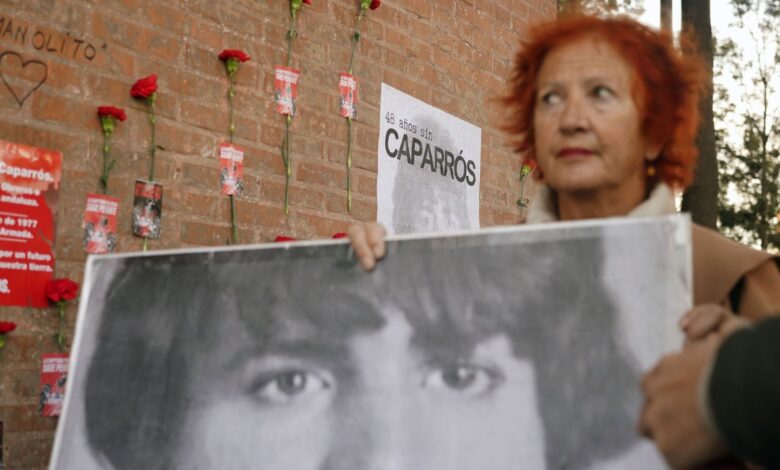
This year, for the first time in decades, the family was given the opportunity to review the case. During the traditional flower-laying ceremony at the site of their brother’s death, the sisters admitted they would need to prepare themselves emotionally before studying the materials. The documents contain their father’s testimony, eyewitness accounts, and Manuel’s final words on the way to the hospital. Many details remain unknown even to the closest family members.
The Day of the Tragedy
The tragedy occurred at the intersection of Alameda de Colón and Comandante Benítez, where a memorial plaque now stands. That day, the family was told that Manuel had supposedly been in an accident. Only when the father saw the body did he realize his son had died from a gunshot wound to the chest, not as a result of a traffic incident. The relatives still do not understand why the investigation failed to identify the shooter, since a ballistic examination could have provided an answer.
Among those at the memorial were people who had personally attended the demonstration. One of them, Rosario Santos, recalls that everything was calm until a conflict erupted at the Diputación building: the president refused to hang the Andalusian flag. Then one of the young activists, Juan Manuel Trinidad Berlanaga, climbed the facade to hang the banner, which triggered unrest and police gunfire.
Aftermath and Remembrance
Witnesses say they initially mistook the shots for stun grenades, but soon saw a crowd and a body on the ground. In the following days, the city was gripped by unrest: smashed shop windows, overturned cars, and attempts to storm the police station. Representatives of all political parties except one attended the memorial service. Málaga mayor Francisco de la Torre called the incident a tragedy, noting that police actions were extremely reckless and that officers were unprepared for such a situation.
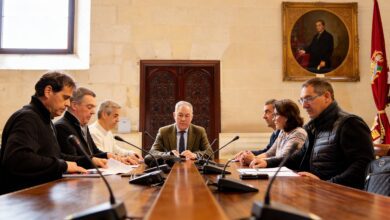
While the ceremony was taking place in Málaga, in Sevilla, the president of Andalusia, Juanma Moreno, paid tribute to the slain activist. Last year, he officially declared December 4th Andalusia Flag Day. In his speech, Moreno called Caparrós’s death a crime and emphasized that for the first time, the family had gained access to case materials.
Political context
Moreno instructed the regional parliament to seek the declassification of the documents, despite opposition from some politicians in Madrid. Eventually, after lengthy debates, Caparrós’s sisters were granted access to the archives. This step was significant for the entire Andalusian movement, as the memory of the 1977 events continues to impact the region’s political life.
The President of Andalusia is a strong proponent of ‘modern Andalusianism,’ aiming to strengthen regional identity and, in part, to seize the initiative from the Socialists. He is supported by historical figure Alejandro Rojas Marcos, who also advocates for the preservation of Andalusian values. In recent years, regional authorities have increasingly turned to symbols and memories of events from the late 1970s to emphasize their connection to the people.
In case you didn’t know, Manuel José García Caparrós has become a symbol of the struggle for Andalusian autonomy. His name is often mentioned at rallies and in official speeches, and the site of his death attracts those who remember the events of December 1977 every year. The President of Andalusia, Juanma Moreno, who has led the region since 2019, is actively promoting the idea of ‘Andalusianism’ and supports initiatives to preserve historical memory. The Caparrós family continues to seek justice, hoping that the truth about their brother’s death will finally be made known to the broader public.