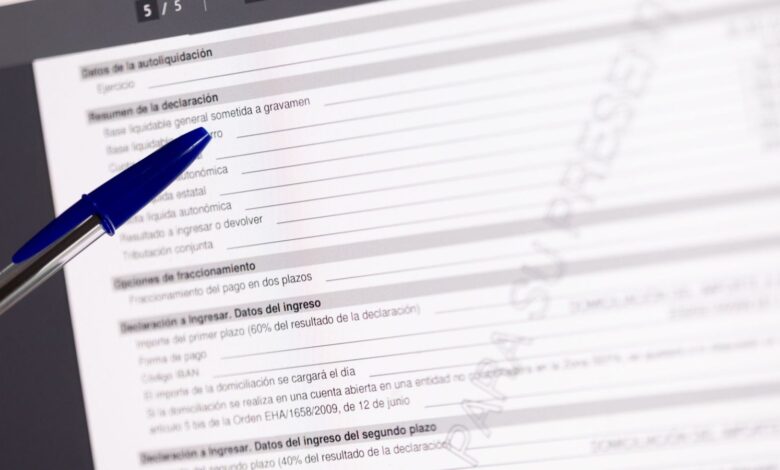
Spain has announced new official deadlines for submitting income tax returns for 2025, a decision that has already sparked a wave of discussion among taxpayers. For many families and entrepreneurs, these dates determine not only financial planning but also the opportunity to avoid unpleasant consequences such as fines or delays in refunds. Given that every year thousands of Spaniards postpone paperwork until the last minute, having a clear understanding of the deadlines is especially relevant.
According to the approved schedule, the tax filing campaign starts on April 8, 2026, and ends on June 30. From the very first day, online submission is available through the Renta WEB service, which allows you to review preliminary data, make corrections, and submit documents using an electronic signature or other digital identifiers. This method remains the most popular because it saves time and reduces the likelihood of errors.
Alternative submission methods
For those who prefer personal interaction or require help from specialists, additional options are provided. Starting May 6, 2026, a phone service known as ‘Plan Le Llamamos’ will be available. To use it, you must schedule an appointment in advance, between April 29 and June 29. During the phone conversation, a tax office employee will complete your return based on the information you provide, which is especially convenient for those who are unsure about filling out the forms on their own.
Personal visits to tax office branches will be possible from June 1 to June 30, with appointments opening on May 29. Although the number of people choosing this option is decreasing, it remains in demand among those with unusual or complex tax cases. Direct contact with a consultant helps resolve disputes quickly and avoid misunderstandings.
Who is required to file
The question of who must file a tax return often sparks debate and confusion each year. In 2026, the rules remain unchanged: if a person has only one source of income and the total is no more than €22,000 per year, filing a return is not required. However, if there are two or more employers and payments from the second and subsequent sources exceed €1,500, the overall threshold is €15,876. This is due to specific tax base calculations and the minimum wage.
Special attention is paid to self-employed individuals and those receiving minimum income. For them, filing a return is mandatory regardless of earnings. This requirement applies to everyone receiving Ingreso Mínimo Vital, as well as to those engaged in independent economic activity. Failing to meet these obligations can result in serious penalties.
Key details of the campaign
In recent years, Spain’s tax authority has been actively implementing digital services to streamline the process of filing tax returns. However, many citizens still encounter difficulties when completing forms and verifying their data. Errors in these documents can lead to delays in refunds or even trigger additional inspections by tax officials.
Given this, experts advise against waiting until the final days of the campaign to prepare your return. The earlier the documents are submitted, the higher the chance of receiving a timely tax refund and avoiding issues with regulatory authorities. Early filing also makes it possible to quickly correct any inaccuracies in the data.
Context and recent changes
In previous years, Spain has already experienced changes to the tax return filing schedule. For example, in 2024, deadlines were adjusted due to technical updates on the Renta WEB platform, which caused temporary disruptions and lines at offices. In 2025, by contrast, the focus shifted to expanding online services and automating data processing, enabling most citizens to receive their refunds faster.
Ongoing adjustments to the rules and declaration deadlines reflect the tax authority’s efforts to adapt to new realities and increase system transparency. In recent years, special attention has been paid to combating reporting errors and simplifying procedures for vulnerable population groups. These changes have become particularly evident amid the growing number of self-employed individuals and social benefit recipients, for whom timely submission of documents is crucial.