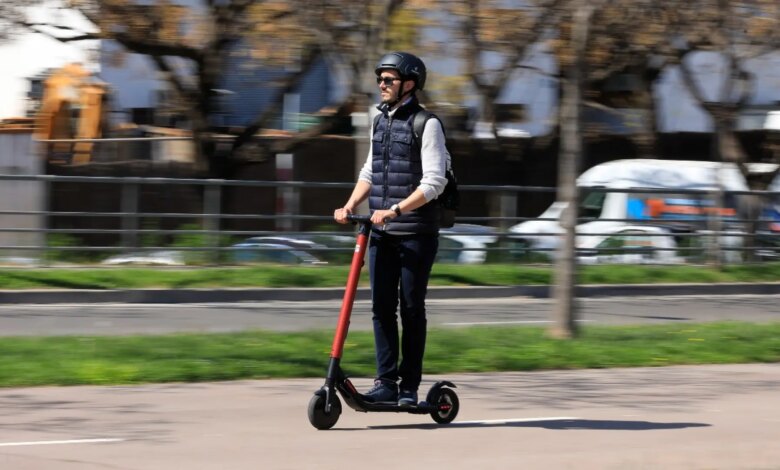
Spain is making a definitive change to the rules for electric scooter owners. Now, everyone using this type of transport must register, obtain insurance, and receive a special certificate. The new regulations affect millions of city dwellers, as there are already over four million such vehicles on the country’s streets. Authorities emphasize that without meeting the new requirements, riding on city roads will be impossible, and fines for violations can reach up to 800 euros.
Registration and insurance
Under the new rules, all electric scooters weighing more than 25 kilograms or capable of speeds over 14 km/h must be registered in the National Vehicle Register. The registration process will cost owners 27.30 euros. Documents can be processed online through an electronic platform or with telephone support. Additionally, registration is available through insurance companies and administrative intermediaries, making the process much simpler for those unfamiliar with digital services.
Civil liability insurance will become mandatory for all users. This requirement aims to protect third parties in the event of accidents or damage. Without a valid policy, riding on roads and bike lanes will be considered a violation, subject to hefty fines. In the coming months, authorities plan to introduce the possibility of processing all documents directly in the store when purchasing a new scooter.
Certificate and technical requirements
Each electric scooter will require a certificate confirming compliance with the technical standards established by the Directorate-General for Traffic (DGT). This document will become mandatory for legal use on public roads. Authorities emphasize that the absence of a certificate automatically renders the vehicle illegal, and its owner subject to a substantial fine.
Special attention is paid to safety: scooters must be equipped with headlights that are always on, regardless of the time of day. This requirement is designed to improve visibility and reduce the number of accidents. Failure to comply with this rule will also result in a fine, which could be significant for most users.
Restrictions and new obligations
With the introduction of new regulations, electric scooters are completely banned from using high-occupancy vehicle (VAO) lanes. Attempting to travel in these lanes carries a separate fine of 200 euros. In addition, couriers and delivery staff using scooters, bicycles, or motorcycles are now required to wear reflective vests on all types of roads. This rule applies to everyone engaged in delivery, regardless of the time of day or weather conditions.
A separate category is being introduced for people with limited mobility who use electric scooters at pedestrian speeds. These vehicles are now equated with wheelchairs, which affects the rules for their operation and movement around the city. Authorities emphasize that these changes aim to improve safety and regulate traffic flows in urban areas.
Fines and consequences
Violating the new requirements can result in significant financial penalties. Owners face fines of up to €800 for missing registration, insurance, or certification. Riding without lights or in prohibited lanes draws separate sanctions of €200. Authorities warn that enforcement will become stricter and street patrols will increase. These measures are expected to reduce the number of accidents and conflicts among road users.
The introduction of new rules has sparked a strong response among electric scooter owners and business representatives. Many believe the tougher requirements will reduce the number of users and hit rental services hard. Supporters of the reforms, however, are convinced that safety and order on the roads are more important than personal convenience.
The General Directorate of Traffic (Dirección General de Tráfico, DGT) is Spain’s key government agency responsible for regulating and monitoring road traffic. The DGT develops and implements new safety standards, enforces traffic regulations, and conducts information campaigns across the country. Led by Pere Navarro, the institution is actively introducing digital services and modern technologies to enhance efficiency in oversight. Thanks to the DGT’s efforts, Spain is becoming one of the most progressive countries in Europe in the field of regulating new types of transport and ensuring road safety.