Madrid’s night transport map is changing once again: Metro Line 6, a staple of the city’s late-night routes, now closes earlier, and special buses take over after hours. Residents, long used to 24-hour mobility, have to adjust their routines. The reason behind the disruption is a large-scale modernization project set to transform one of the busiest lines in the Madrid Metro.
Trains on Line 6 now head to the depot at 11:00 p.m. on weekdays and Sundays. This isn’t a decision made on a whim, but a necessity: stations are being prepared for the installation of automatic platform doors. Authorities promise that by 2027, the line will be fully automated, with driverless trains running along its route. For now, though, passengers need to find alternative ways to get around.
New routes
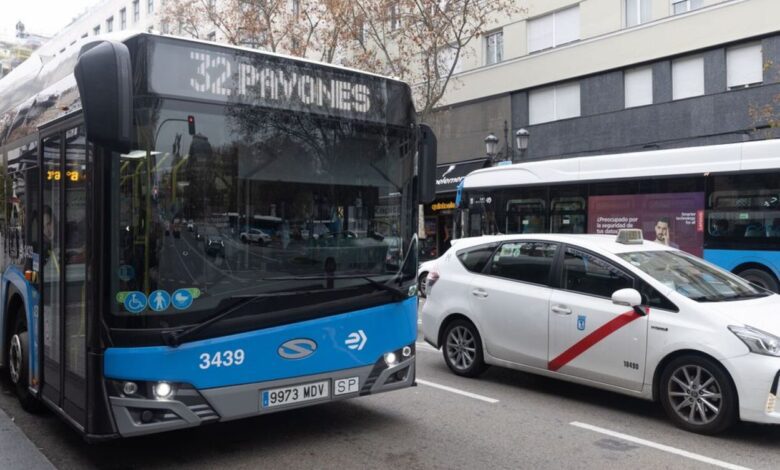
To keep Madrid’s residents and visitors connected, EMT—the city’s public transport company—has introduced two special night bus routes. The first, SC1, runs between Cuatro Caminos and Legazpi, stopping at key locations: Argüelles, Alto de Extremadura, Laguna, Oporto, Sainz de Baranda, and Avenida de América. Buses start running promptly at 11:00 p.m., with the final departure shortly after 2:00 a.m.
The second route, SC2, runs in the opposite direction, from Legazpi to Cuatro Caminos, passing through Manuel Becerra, Méndez Álvaro, Plaza Elíptica, Carpetana, Príncipe Pío, and Ciudad Universitaria. The schedule is nearly identical: services start at 11:00 p.m., with the last buses leaving around 2:10–2:20 a.m., depending on the direction.
A city without the metro
Friday and Saturday nights remain unchanged: the metro runs until 1:30 a.m., so buses aren’t needed. On all other nights, however, the capital has to rely on surface transport. For many, this came as a surprise—Madrid’s 24-hour metro is a long-standing habit, and not everyone immediately adapted to the new routes.
Such a system has been tried before: during previous phases of work on Line 6, EMT buses already replaced the trains, carrying hundreds of thousands of passengers daily. Now, officials say they are prepared for a surge of night travelers and promise that no one will be left without transport.
Modernization and change
The work on Line 6 is more than just a cosmetic upgrade. Authorities are committed to full automation: new platform doors, upgraded security systems, and preparations to launch driverless trains. This should improve safety and reduce train intervals. For now, though, these plans remain on paper—night buses are the only link between neighborhoods.
Many residents are already expressing dissatisfaction: buses take longer than the metro, and at night, waiting at the stop isn’t always pleasant. But some are embracing the changes with curiosity— for them, it’s a chance to discover new routes and see the city from a different perspective.
Challenges for the city
Madrid has always been known for its advanced transport system, and any changes here are met with strong reactions. The introduction of night buses is a necessary measure, but it demonstrates how flexibly the city can respond to challenges. Authorities promise that once the work is finished, Line 6 will be one of the most modern in Europe. Until then, residents will have to adapt to new realities.
For now, night buses are not just transportation, but a kind of symbol of change. They serve as a reminder that even in a big city, familiar routes can shift at any moment. And perhaps right now, Madrid is learning to become even more mobile and modern.