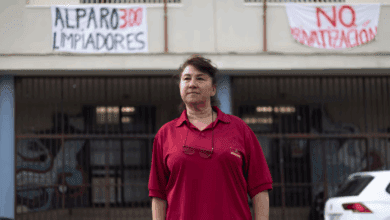
In Catalonia, homelessness has become noticeably more acute in recent years. In 2024, the number of people seeking help at support centers increased by nearly half compared to 2022. The surge is especially evident among women: over the past decade, their share among the homeless has climbed from 12% to 42%. This alarming trend has prompted regional authorities to rethink their approach to tackling the problem.
Currently, more than 4,700 people in Catalonia are forced to find shelter in hostels or temporary accommodations. For many, each morning begins with the uncertainty of where they will spend the next night. For the first time, official reports have separated out statistics specifically for Catalonia, allowing for a clearer assessment of the scope and unique aspects of the local situation.
Profile of the Homeless
Homelessness in the region is a complex issue. Having a job or income doesn’t always protect against ending up on the street. About 80% of respondents reported having some form of income, and almost half had steady jobs. The rest rely on temporary or unofficial earnings. Most homeless people are citizens of Spain or other European countries, rather than migrants as is often assumed.
Housing has become an unattainable luxury for many. Sixty-two percent of the homeless live in social centers, 24% in temporary apartments, and 12% directly on the streets. Yet 92% are officially registered at some address. The main age group affected is between 30 and 54 years old, indicating the problem impacts people in their most active years.
Causes and consequences
The main reason people end up homeless in Catalonia is eviction due to inability to pay for housing. In 2022, such cases were twice as common as the national average. On top of this come the end of rental contracts and a sharp rise in apartment prices, especially in major cities. Together, these three factors account for more than 60% of homelessness cases.
Other causes include job loss, divorce, health problems, and migration. Sometimes, homelessness is triggered by addiction, domestic violence, release from prison, or leaving children’s institutions. Many people on the streets experience total social isolation: over half have neither friends nor family they can turn to for help.
The Feminine Face of the Crisis
Particular concern is caused by the growing number of homeless women. Over the past decade, their share has increased almost fourfold. Women are more likely to face violence, the threat of eviction, and lack of support. For many of them, homelessness becomes not only an economic issue but a deeply personal tragedy.
The report notes that prolonged periods on the street lead to severe psychological consequences. Some people stop talking altogether—simply because there is no one to share a word with. More than 78% of those surveyed have been homeless for over a year, and with each passing month, escaping this situation becomes ever more difficult.
Seeking Solutions
Catalan authorities admit that existing data on homelessness is fragmented and incomplete. To effectively tackle the issue, a unified tracking system and annual monitoring are essential. The government has announced the creation of a special office that will coordinate all support programs—from housing to healthcare and child protection.
Plans include strengthening prevention, offering free legal assistance, mediation in cases of eviction threats, and temporary rent payments for the most vulnerable. Special attention will be given to cities where the problem is most acute. While authorities do not promise to completely eradicate homelessness, they hope to bring the situation under control and reduce the number of people living on the streets.