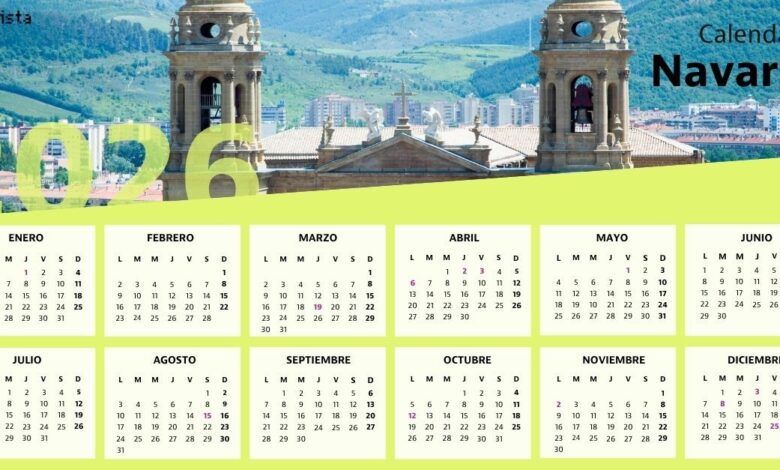
The government of the autonomous community of Navarra has officially approved the work calendar for 2026. The document, prepared by the Directorate-General for Labor and Social Economy, includes all national and regional holidays, as well as local days off established individually by each municipality. This early planning allows residents to arrange their work schedules, vacations, and family celebrations in advance.
The holiday calendar is an important tool for both employees and employers. It helps efficiently distribute working hours and periods of rest throughout the year. For the people of Navarra, it is also an opportunity to engage with the centuries-old traditions that abound in this northern region of Spain, and to plan participation in numerous fiestas.
In 2026, residents of Navarra will enjoy several long weekends, offering chances for short trips through the picturesque valleys of the Pyrenees or visits to historic cities. Knowing the specific dates helps avoid inconveniences and make the most of one’s free time.
National holidays in Navarra
In 2026, the whole of Spain, including Navarra, will celebrate several major holidays, each marked in the region with its own unique traditions.
January 1 (Thursday), New Year’s Day: In Navarra, it is customary to gather for a New Year’s lunch, where the main dishes are hot broth, chistorra sausage, and fried eggs. In some northern villages, such as Urdiain, an ancient ritual has been preserved—at dawn, people draw water from a spring as a symbol of renewal.
January 6 (Tuesday), Epiphany: This day is especially loved by children. In Sangüesa, on the eve of Epiphany, the historic performance ‘Auto de los Reyes Magos’ takes place. Across the region, colorful Three Kings parades are held, with candy and sweet coal handed out.
April 3 (Friday), Good Friday: The most renowned and solemn processions take place in Tudela, Corella, Estella, and Pamplona. In the regional capital, the traditional procession climbs Mount San Cristóbal. At home, people prepare Lenten dishes: ‘al ajoarriero’ cod, stews, and garlic soups.
May 1 (Friday), Labor Day: Many residents use this holiday to visit the Pyrenean valleys or go for picnics. It’s the season for the first vegetables from the garden and get-togethers with friends.
August 15 (Saturday), Assumption of Mary: On this day, the main celebrations kick off in dozens of towns and villages across Navarra. The program features traditional dances, small-scale encierros (bull runs), fairs, and evening concerts. In places such as Roncesvalles, the festival has a distinctly religious character.
October 12 (Monday), National Day of Spain: It’s a great occasion to visit medieval towns like Olite, Ujué, or Artajona, where craft markets and cultural fairs are often held on this day.
December 8 (Tuesday), Immaculate Conception: This day marks the official start of the Christmas season in Navarra. Nativity scenes, fairs, and craft exhibitions open across the region. In Pyrenean villages, homes are decorated with handmade ornaments crafted from wood, wool, and natural fibers.
December 25 (Friday), Christmas: A deeply family-oriented holiday. Traditional dishes appear on the table: ‘al chilindrón’ lamb, cardoon with almonds, artisanal turrones, and homemade pacharán. In northern villages, small pilgrimages and folk dances take place.
Regional holidays
Alongside nationwide holidays, Navarra has its own unique festive days that reflect the region’s distinct cultural identity.
March 19 (Thursday), Saint Joseph’s Day (San José): Families go hiking in the mountains or host the year’s first barbecues in the Baztán, Ultzama valleys, or in the Tierra Estella comarca.
April 2 (Thursday), Maundy Thursday: Holy Week in Navarra is marked by both restraint and deep emotion. In Tudela, centuries-old processions silently wind through the old town.
April 6 (Monday), Easter Monday: A day for nature outings. Popular destinations include the Aralar mountain range, the Urederra river source, or the Foz de Lumbier gorge. In some villages, children receive a traditional Easter pastry, the ‘rosca de Pascua’.
November 2 (Monday), observance of All Saints’ Day: In 2026, the holiday is moved from November 1 to November 2. This day is dedicated to remembering the deceased and enjoying traditional pastries: filled donuts, ‘saint’s bones,’ and special pretzels. Bakeries in Pamplona, Tafalla, and Estella are packed with visitors.
December 3 (Thursday), Day of Saint Francis Xavier: The main holiday of all Navarre. On this day, the famous ‘Javierada’ pilgrimage to Javier Castle takes place. Local specialties such as migas, ‘ajoarriero’ cod, and Navarrese lamb are always on the table, paired with local wine or pacharán.
Festivities in Pamplona
The capital of Navarre, Pamplona, has two major holidays of its own that shape the city’s life.
July 7 (Tuesday), San Fermín: The most iconic day for Pamplona, marking the start of the world-famous festival. Processions, giant puppets, bagpipers, and a unique atmosphere draw thousands of tourists from all over the world.
November 29 (Sunday), Day of Saint Saturnin: This holiday honors the city’s second patron saint. The program includes a parade, giant puppets, special bell ringing, and traditional treats: chistorra sausage and ‘txantxigorri’ cakes.
Incidentally, the San Fermín festival in Pamplona is one of the most famous in the world. It is renowned for the running of the bulls through the city’s streets, attracting thousands of visitors from around the globe. Immortalized by Ernest Hemingway in his novel ‘The Sun Also Rises,’ the festival runs from July 6 to 14 and features a packed schedule of events, from religious processions to concerts and fireworks.
Earlier, we reported that officials in another region had also finalized the schedule for public holidays. In our article, you can find the 2026 work calendar for Castilla y León. Residents of this autonomous community will have 14 official holidays, including both national Spanish and local celebrations.