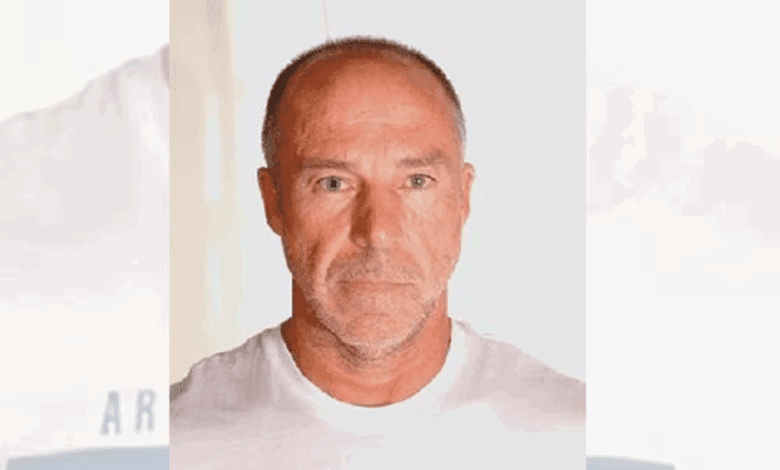
The arrest in Seville has become an event that could change the approach to tracking down highly dangerous criminals in Spain. At a time when society is concerned about rising crime rates, the successful capture of a figure from the country’s most wanted list demonstrates the effectiveness of new police methods. For many residents, this sends a clear message: even the most cautious fugitives cannot feel safe.
On Monday, officers from the National Police carried out an operation in the small town of Gerena, where 57-year-old Julio Herrera Nieto was located and apprehended. His name was sixth on the list of the ten most dangerous fugitives wanted for serious crimes related to drug trafficking and illegal arms dealing. A court in Cáceres had long issued a warrant for his arrest, but until now, every attempt to track him down had failed.
Operation in Gerena
The key development was establishing the exact address where Herrera was hiding. A special GOES operations unit was called in for the arrest, underlining the level of risk involved. The operation took place on January 30, and despite all precautions, the fugitive did not resist. It is known that for a long time, he used his relatives to mislead investigators and avoid capture, especially after his name appeared in the ’10 Most Wanted’ campaign.
Only three months have passed since the launch of this campaign, but already six people from the list have been apprehended, including some who were found outside Spain. In Herrera’s case, the police initially suspected he might be hiding in Toledo, but further investigation led officers to a trail in Andalusia.
The escape story
Herrera was first detained back in 2018 in Cáceres, when he was accused of participating in a criminal group involved in drug trafficking and laundering money through front men. Despite being sentenced, he never ended up behind bars—he disappeared, and his whereabouts remained unknown. That’s why, in the autumn of 2024, the search for him was moved to a new level of priority.
Police not only stepped up their operations but also appealed to the public for help, launching a special email for anonymous tips. This made it possible to gather additional information and speed up the investigation. As a result, despite Herrera’s attempts to erase all traces, he was tracked down and arrested.
Search campaign
Last November, a large-scale initiative was launched to track down the ten most dangerous fugitives wanted by both Spanish and international courts. A dedicated communication channel was set up to allow anyone to send in information about the possible whereabouts of these individuals. This measure has already produced tangible results: in a short time, several people from the list have been arrested.
Among those already apprehended are Juan Herrera Guerrero, Daniel Vázquez Patiño, José María Pavón Pereira, Martiño Ramos Soto, and Ionut Ramón Raducan. Three others remain at large: Juan Miguel García Santos, Sergio Jesús Mora Carrasco, and Manuel Rodríguez López.
Consequences and context
The arrest of Julio Herrera was not only a significant victory for the police, but also an example of how modern technologies and citizen cooperation can influence the course of investigations. In recent years, Spain has increasingly embraced similar campaigns, enabling quicker responses to threats and improving public safety. One recalls the Barcelona case, where an anonymous tip led to the capture of a dangerous criminal hiding under a false identity. Similar operations have taken place in Valencia, where, over the past two years, several fugitives wanted internationally have been caught. These examples demonstrate that a comprehensive approach and active public involvement are becoming key factors in combating crime.