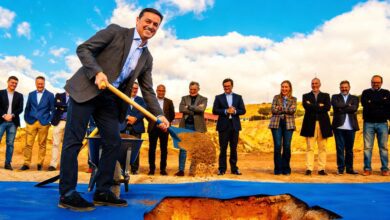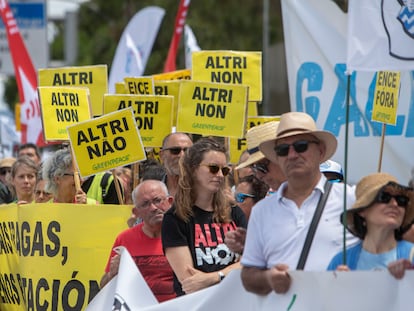
The decision by the Xunta de Galicia to halt the review of the major Altri pulp mill project has stirred mixed reactions among residents and environmental groups. For the region, this brings not only temporary relief but also fresh questions about the future of industrial development and environmental protection. Whether the project is truly shelved for good remains unclear, creating an atmosphere of uncertainty for locals and businesses alike.
Legal concerns
The legal team at the Ulloa Viva platform, which has actively opposed construction of the plant, believes that the announced halt in proceedings does not guarantee the project’s definitive cancellation. In their view, the document archiving procedure chosen by the authorities could allow the company to restart development a few years down the line. The lawyers plan to use every legal avenue to achieve a complete and irreversible closure of the issue.
There is particular concern over the fact that Greenfiber, affiliated with Portugal’s Altri and businessman Manuel García Pardo, still holds valid permits to draw water from the Portodemouros reservoir and an integrated environmental license. Moreover, since March of last year, the project has a positive environmental impact assessment that remains valid for another six years. This situation is seen as a potential threat to the region.
Official stance and public response
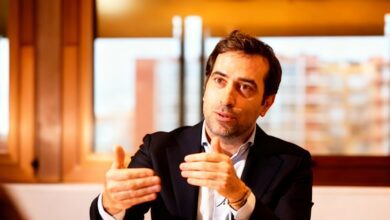
Galicia’s government head Alfonso Rueda explained that the decision to shelve the project was due to the central authorities’ refusal to grant Greenfiber access to the power grid needed for the plant’s operation. He emphasized that if the company finds an alternative energy source, the approval process would have to start from scratch. Rueda also rejected accusations regarding possible financial compensation and accused activists of spreading false information.
Meanwhile, Ulloa Viva representatives point out that the company still has three months to file objections, and the archiving process itself appears to be the result of close cooperation between regional authorities and business. The project had previously received support from both former regional leader Alberto Núñez Feijóo and the current administration. The issue of transparency in agreements between the government and investors remains unresolved: the previously signed memorandum of understanding has yet to be published, despite demands from opposition parties.
Environmental and social risks
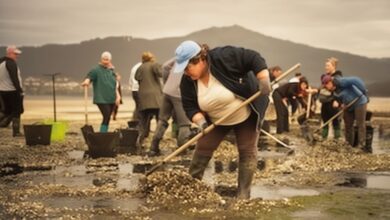
The plant project sparked a wave of protests among residents, fishermen, and representatives of the tourism industry. Local associations fear that the launch of production will worsen the condition of the Ulla River and negatively affect the ecosystem of the Arousa Bay. Organizations linked to the Camino de Santiago pilgrimage route also opposed the project, as did farmers and agrotourism business owners. Over four years of confrontation, dozens of associations joined the movement, making the protests among the largest in the region.
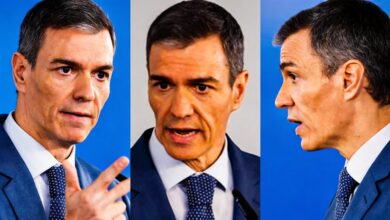
Internal disagreements within the Socialist ranks also arose over the project, ultimately leading to the PSOE refusing to support the construction of the plant. Funding from European funds was not approved, and the application to build a substation was rejected by the government of Pedro Sánchez. As reported by El Pais, these circumstances were decisive in the decision to halt the project’s consideration.
Hidden details and the future of the project
Despite the relief among opponents of the plant, representatives of Ulloa Viva urge the public not to let their guard down. According to them, as long as the memorandum of understanding between the authorities and investors remains unpublished, there is still a risk that the project could return in the future. They are demanding full transparency and a definitive abandonment of construction to prevent any attempts to revive the project.
Questions about transparency and the relationship between government and business are becoming increasingly relevant in Spain. Similar situations have already sparked public outcry, as was the case with the scandals surrounding election pressure in Extremadura, where the influence of politicians on decision-making and resource allocation was also debated.
In recent years, Spain has repeatedly seen disputes over major industrial projects linked to environmental risks. For example, in Catalonia and Andalusia, local communities pushed to halt the construction of factories and infrastructure, expressing concerns about water quality and the preservation of natural areas. In some instances, protests led to revised plans or stricter environmental regulations. These cases show that public pressure and transparency in procedures are becoming crucial factors in regional development decisions.