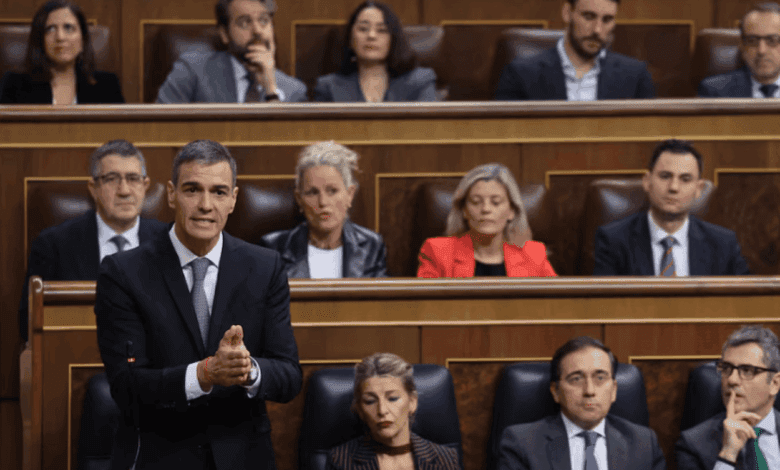
Economic instability caused by the conflict in the Middle East is already being felt in the daily lives of Spaniards. Rising fuel prices and uncertainty in global markets have forced the Spanish government to take emergency action. According to Europa Press, authorities have presented a comprehensive package of 80 initiatives, which allocates 5 billion euros to mitigate the impact of the crisis.
The focus has been on issues that directly affect the expenses of households and businesses. Key areas include support for renters, control of energy prices, and limiting profit growth for large companies. As Europa Press notes, the discussion of the measures was accompanied by tense negotiations between ministers, resulting in the government meeting being delayed by more than two hours.
Financial support and price controls
The plan provides not only direct financial aid but also mechanisms to regulate the market. In particular, it considers extending favorable conditions for renters and introducing further restrictions on rent increases. Authorities also intend to strengthen control over fuel pricing and other key goods to prevent speculation and unjustified cost increases for consumers.
Special attention is given to the energy sector. According to russpain.com, in recent years Spain has focused on developing renewable energy sources, which has reduced its dependence on gas imports. In 2026, gas determined electricity prices only 15% of the time, significantly lessening the impact of external shocks on the domestic market.
Energy and Economic Resilience
Spain’s strong position in clean energy has helped the country respond more swiftly to external challenges. Authorities emphasize that the shift to renewables not only reduces economic vulnerability but also opens new opportunities for investment and job creation. In a period of global turbulence, this becomes a strategic advantage.
However, despite this progress, the government does not rule out further policy adjustments depending on developments in global markets. Uncertainty remains, and authorities are prepared to respond promptly to new challenges to minimize negative impacts on citizens and businesses.
Political Differences and Search for Compromise
Debates within the government over anti-crisis measures were heated. Ministers from the Sumar party insisted on including additional provisions related to tenant protection and controls on corporate profits. This led to a delay in the meeting, but a compromise was eventually reached, allowing the full package of measures to be approved.
According to Europa Press, Prime Minister Pedro Sánchez emphasized that the situation requires unconventional solutions and a willingness to adapt quickly. Authorities do not rule out expanding or adjusting the package of measures as the crisis develops if necessary.
In recent years, Spain has already faced the need for emergency economic intervention. For example, during the COVID-19 pandemic, the government introduced extensive support programs for businesses and the public and regulated energy prices. Such measures helped soften the impact of global upheaval and maintain stability in the domestic market. Now, the experience of previous crises enables a faster response to new challenges and more effective solutions to protect citizens’ interests.