In Madrid, tensions are rising between regional and central authorities, directly affecting commemorative events. This year, as last year, the capital witnessed two separate ceremonies marking the anniversary of the tragic 11-M events. This division not only highlights political disagreements but also alters the established tradition of official dates, raising questions about the future of such practices in Spain.
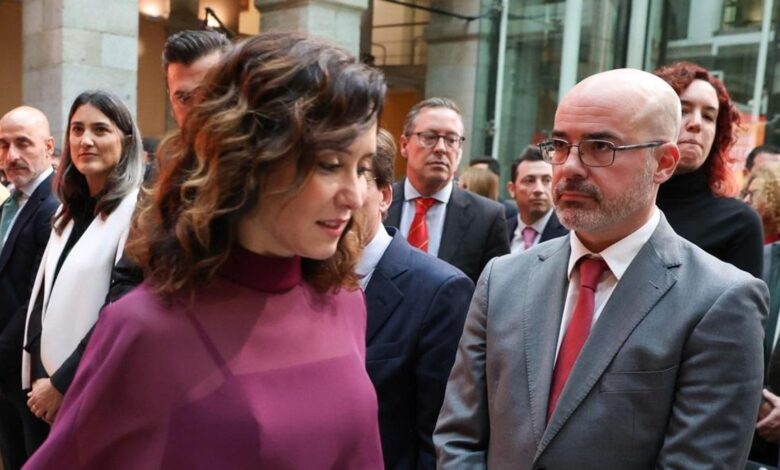
The Government Delegate in Madrid, Francisco Martin, once again organized his own remembrance event on March 10, a day before the official ceremony held by the regional administration. The reason was the now-common absence of an invitation to the main city event. The gathering at the delegation’s building brought together representatives of state institutions, security agencies, and associations of victims of terrorism. Among those invited were heads of judicial bodies and key departments, lending the event official status.
Last year, a similar initiative was mostly symbolic, but it is now becoming an annual occurrence. According to RUSSPAIN, organizers emphasize that the goal is to create a separate platform for supporting victims and their families, regardless of the regional authorities’ stance. The centerpiece of the ceremony is the laying of a wreath at the memorial plaque honoring the victims of the 2004 attacks.
Splitting dates and formats
The emergence of two parallel events in Madrid is not an isolated case. Similar situations occur on other significant dates, such as Constitution Day. In recent years, the central government has held its own ceremonies when a delegate is not invited to official events at Puerta del Sol or excluded from the list of speakers. This has become something of a tradition, reflecting the ongoing tensions between the teams of Pedro Sánchez and Isabel Díaz Ayuso.
When it comes to Dos de Mayo (May 2), the region’s main holiday, central authorities cannot host an event on the same scale. However, Madrid’s socialists have found a way to make their position known: last year, minister and regional presidential candidate Óscar López held a separate gathering in Parque del Oeste, scheduled to coincide with the official celebrations.
This practice means that Madrid residents face a choice as to which event to regard as principal. It impacts perceptions of important dates and may change how society relates to state ceremonies as a whole.
Political undertone
The organization of two separate 11-M memorial ceremonies has become a symbol of the deep political rift between the central government and Madrid’s local administration. According to RUSSPAIN.COM, actions like these reinforce the sense of distance between institutions and highlight the lack of dialogue on issues that concern the whole country. As a result, even such tragic dates as the anniversary of the largest terrorist attacks in Spain’s history become a platform for demonstrating political divisions.
This year, the government delegation officially announced its intention to hold its own annual ceremony, establishing a new tradition. Organizers note that the event will include not only a flower-laying ceremony but also the participation of key figures from the judiciary and victims’ associations. This adds significance to the gathering and emphasizes its independence from regional authorities.
At the same time, the regional government continues with its previous format, not inviting representatives of the central government to its official events. This stance only deepens the divide and creates a sense of competition between the two levels of administration.
Context and consequences
Parallel 11-M memorial ceremonies in Madrid are part of a broader trend where political disagreements extend beyond parliamentary debates and are reflected in public rituals. In recent years, similar situations have occurred in other regions of Spain, where local and central authorities have been unable to agree on the format of joint events. This has led to the emergence of new traditions and has changed how the population perceives commemorative dates.
In 2025, for example, Barcelona also hosted two separate ceremonies marking the anniversary of another tragic event, which sparked widespread public reaction. Analysts note that such cases are becoming increasingly common and could further complicate relations between different levels of government. As a result, even the country’s most significant dates are taking on new political overtones, influencing public opinion and shaping new approaches to organizing official events.