This news has a direct impact on Spain’s security and interests: NATO intercepted a ballistic missile headed for Turkey, while the Madrid government called for an immediate ceasefire and a diplomatic solution. Halting escalation is crucial to stabilizing the region and safeguarding Spain’s citizens and economic ties. Authorities have already announced support measures through consulates and expressed readiness to consider economic tools to mitigate the consequences.
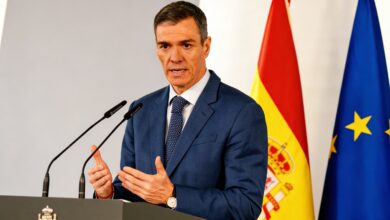
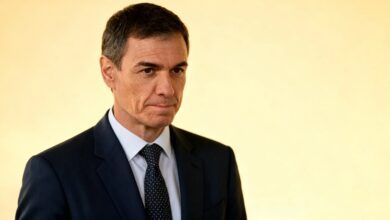
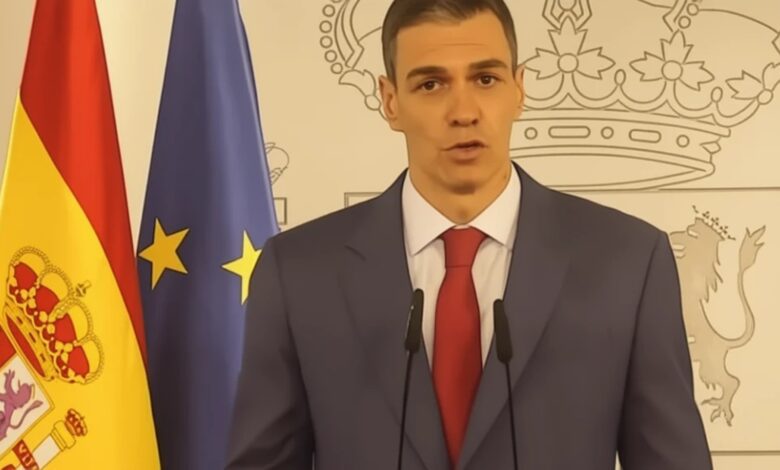
Prime Minister Pedro Sánchez made his first official remarks after the escalation to clarify Spain’s stance: against war and in favor of upholding international law. He emphasized that criticizing another country’s regime does not automatically mean approval of military intervention. This position blends political rejection of unlawful violence with a demand for diplomatic resolutions.
Speaking from La Moncloa against the backdrop of Spanish and EU flags, Sánchez did not discuss the details of joint base use, instead highlighting the priority of respecting international norms and prohibiting problem-solving “through bombs.” At the same time, the government made it clear that it will not become complicit in actions that contradict the country’s values and interests out of fear of reprisals.
Satellite-level attacks and interceptions are shifting the risk balance in the region, affecting allied policies. Previously, the government had to refuse the use of certain bases, which triggered a sharp reaction from the US leadership. In response, there were public accusations and threats to sever trade relations—steps Madrid regarded as unacceptable pressure.
In response to rising tensions, Sánchez announced specific organizational measures: assistance for Spaniards in conflict zones, help for those wishing to leave, and preparation of possible economic steps to protect the national economy. According to a RUSSPAIN.com source, diplomatic and consular support channels have already been activated.
Beyond emergency assistance for citizens, the government outlined its international approach: supporting regional countries advocating peace and rule of law, as well as coordinating with European partners. Spain intends to work closely with its allies to achieve a coordinated and effective response that minimizes escalation and economic losses.
Sánchez recalled the lessons of past interventions, when military operations in the region affected overall security and failed to deliver expected results. He linked the current stance to the need to avoid repeating mistakes from previous conflicts, emphasizing that democracy and human rights are protected primarily through legal and diplomatic mechanisms.
The government rhetoric combines a moral assessment of regimes that suppress their own citizens with a refusal to resort to military escalation as a solution. In this way, Spain seeks to maintain a balance between criticizing human rights violators and conducting responsible foreign policy, taking into account the risks for its citizens and economy.
Domestically, the authorities have assured their readiness to take measures to mitigate the economic effects if necessary. Support tools are being discussed for sectors most vulnerable to external shocks, as well as expedited procedures to assist Spanish citizens on the ground.
On the international front, Madrid is betting on diplomatic pressure and legal mechanisms: references to constitutional principles, key EU treaties, and the UN Charter serve as guidelines for political action. Spain declares its solidarity with those governments and citizens calling for peace and stability.
Further coordination with European partners is expected in the coming days, along with clarification of the package of measures to protect Spain’s interests. The authorities will again demand an end to hostilities and make the search for a political and diplomatic solution a top priority, jointly with alliances and regional actors.
Context: In the early 21st century, the intervention in Iraq and the decisions associated with the “Azores trio” (a meeting of the then-leaders of Europe and the US) led to prolonged instability in the region. These events remain in the political memory as an example of how military actions can generate broader risks and decrease the security of Europe. Madrid’s current response and focus on international law are explained by the desire to avoid a repeat of those consequences and to maintain predictability in relations with allies and neighbors.