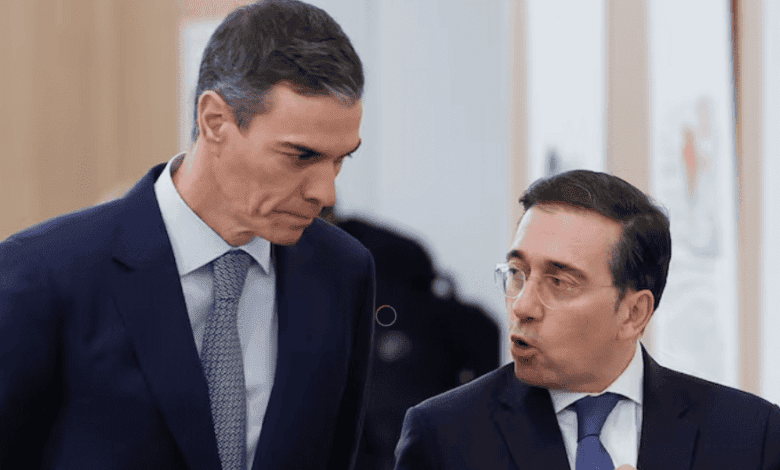
Madrid hosts Spain’s X Ambassadors Conference, an event expected to be particularly tense this year. Pedro Sánchez personally opened the gathering, bringing together nearly all of Spain’s 130 ambassadors from around the globe. On the agenda are not only traditional issues of foreign policy, but also new challenges that have shaken the international scene in recent weeks. The atmosphere in the hall is electrified—no one hides the fact that global stability is on shaky ground.
Venezuela takes center stage after a surprise U.S. operation dramatically shifted the country’s political landscape within hours. Spanish diplomats are discussing how to respond to the capture of President Nicolás Maduro and his wife, as well as Washington’s declaration of control over the nation. There are more questions than answers, and every move could have consequences for all of Europe.
Spain on the world stage
Foreign Minister José Manuel Albares delivered a speech emphasizing that Spain does not intend to stand aside from global developments. He insists on the need to defend an international order based on rules and respect for democracy, in contrast to the “law of the jungle” that some players, he says, are trying to impose. The hall breaks into applause, but a sense of unease lingers—the speech is not only about principles, but about real threats.
This year, Nigeria’s Foreign Minister Yusuf Maitama Tuggar also joined the discussions, invited specifically to share experience and perspectives on African challenges. His participation is more than a courtesy—it signals that Spain is seeking new alliances and closely monitoring developments on other continents.
Ukraine, Gaza and Europe
One of the most pressing topics was the war in Ukraine. Sánchez did not rule out that Spain could consider sending troops as part of a future peace process, should one begin. This idea sparked intense debate among diplomats: some believe the country should show solidarity with its allies, while others fear getting drawn into a prolonged conflict. The question remains open, but one thing is clear—Spain does not intend to stand in the shadows.
The situation in Gaza was also brought up. Here, Spain’s position is clear: any decisions must be based on respect for international law. Behind the scenes, there are discussions on how to achieve peace without losing face or compromising principles. No one expects easy solutions—too many interests are at stake in this region.
Venezuela: a new crisis
The Venezuelan crisis has come as a real shock for Spanish diplomacy. After the US carried out a lightning operation and announced plans to take control of the country, Madrid found itself facing a tough decision. On one hand, historic ties with Latin America call for caution; on the other, pressure from EU and NATO allies makes it impossible to stay on the sidelines. The issue of recognizing the new authorities and possible sanctions is being discussed behind closed doors, and for now, no one is ready to predict how it will end.
Nevertheless, Spanish diplomats prefer not to dramatize the situation. Many are convinced that crises come and go, and the ambassadors’ job is to remain calm and seek compromise. This time, however, the stakes are especially high; every step could prove decisive, not just for Venezuela, but for all of Latin America.
The future of foreign policy
Long-term priorities are also being discussed at the conference. Ahead lie two major international meetings: the Ibero-American summit in Madrid and the conference on feminist foreign policy. Spain aims to strengthen its role as a mediator and peacemaker, but to do so, it will have to balance the interests of major powers with its own values.
King Felipe VI will close the conference, underscoring the significance of the event. His participation is more than a formality—it signals that the nation’s foreign policy is becoming a matter of national importance. Behind the scenes, discussions are already underway about what decisions will be made and how they will shape Spain’s future on the global stage.