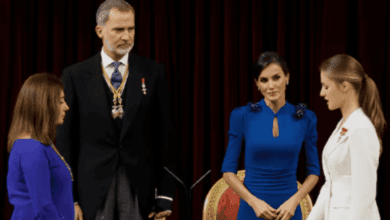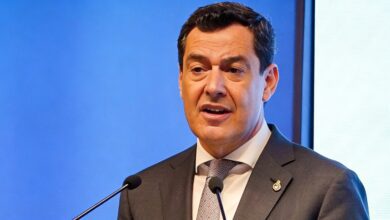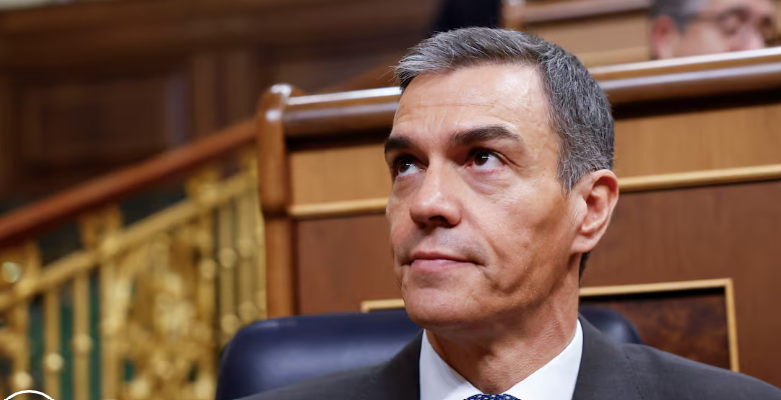
Spanish Prime Minister Pedro Sánchez is at the center of attention after the Senate committee investigating the Koldo case summoned him to appear on October 30. This hearing promises to be one of the most discussed events of the autumn, as it concerns an investigation into possible misconduct involving government contracts and commission payments, with high-ranking members of the Socialist Party implicated.
The initiative to summon Sánchez came from the opposition, which holds the majority in the upper chamber. The date was set shortly after the leader of the opposition bloc argued for the need to question the head of government. Adding intrigue is the fact that the senator who will conduct the questioning remains undisclosed until the last moment. Among the possible candidates are experienced politicians who have already distinguished themselves in previous hearings.
At the center of the investigation are suspicions of corruption in the awarding of government contracts, involving former party officials and advisers. Investigators are looking into how the payments were made and whether they were connected to the party leadership. Particular attention is being paid to cash transactions and unaccounted expenses, which, according to the opposition, may indicate violations.
Sánchez’s supporters insist on financial transparency and claim that all transactions were audited. The prime minister himself explained that he occasionally used cash for current expenses, which, according to him, does not violate the law. Meanwhile, the opposition is preparing a dossier to support its allegations and intends to use this hearing to increase pressure on the government.
Experts note that Sánchez’s summons to the senate coincided with the rising popularity of radical parties, adding to political tensions. Intramural party struggles and competition for voters make this session particularly significant for the country’s political future. The hearings are expected to be heated, and their results could affect the balance of power in Spanish politics.